-->

Saturday, August 21, 2010

Day 49-Dominican Republic (Santa Domingo)(NA) Queso Fritto with Mangu de Platanos. Up Next, East Timor (AS)Platano


I don't spend ALL of my time in the kitchen


Warning!!!! Blogging, if committed to, will interfere with ones personal/professional life. I know this to be true. Amidst the 24/7 noise of parenting teenagers, sending my first born off to college next week, my paying job (oh that), laundry, bills (oh, those) caring for my animals, yada, yada...I find myself having to re-shuffle my priorities as one would an iPod playlist ... but not so randomly or pleasingly. It seems, quite often, the amount of time required to maintain this blog and deal with technical glitches has begun to take obsessive precedence over all but the most important tasks (my family)....guilty.


Well then, now that I've confessed my increasing negligence of most things domestic and mundane,  and my unrelenting drive to turn out a quality, albeit amateur, product, what's for breakfast in the Dominican Republic?

http://www.tropicalcheese.com/
Queso fritto, that's what I'm talkin' about! commonly served for breakfast in the Dominican Republic along with Mangu de Plantanos or guava paste, this wonderful cheese should be eaten hot, straight from the pan. Don't even think about the calories, fat content or cholesterol. Eat it with pleasure and total disregard for your waistline as it's likely far less lethal than anything you could possibly eat at McDonald's, TGI Friday's or Chili's.


Dominican Republic (Santa Domingo)(NA): Located in the  West Indies, DR occupies the eastern two-thirds of the island of Hispaniola, which it shares with Haiti. Its area equals that of Vermont and New Hampshire combined. Duarte Peak, at 10,417 ft (3,175 m), is the highest point in the West Indies.


The Dominican Republic was explored by Columbus on his first voyage in 1412. He named it La Espagnola and his son, Diego, was its first viceroy. The Capital, Santa Domingo, which was founded in 1496, is the oldest European settlement in the Western Hemisphere.


Dominican cuisine is predominantly made up of a combination of Taino, Spanish and African influences. Breakfast usually consists of eggs and mangu (boiled cassava or another root vegetable) or fried meat or cheese. Lunch is generally the largest and most important meal of the day and always includes rice and beans. Sofrito, a mix of local herbs and spices sautéed to bring out the dish's flavor is often included as well.


www.blitzentrapper.net/


Blitzen Trapper: Who knows if they like Dominican food, but I know I love their music, and have listened to their new record, Destroyer of the Void, all week, so I'm putting them in them in blog again because I can. They don't have a video for Destroyer of the Void yet (that I know of), but Fur is a fantastically imagined video and the song is beautiful so....you go Blitzen Trapper - I hope you guys get all the accolades you deserve. 


Buddyboy -I think his likeness was used in the Fur Video


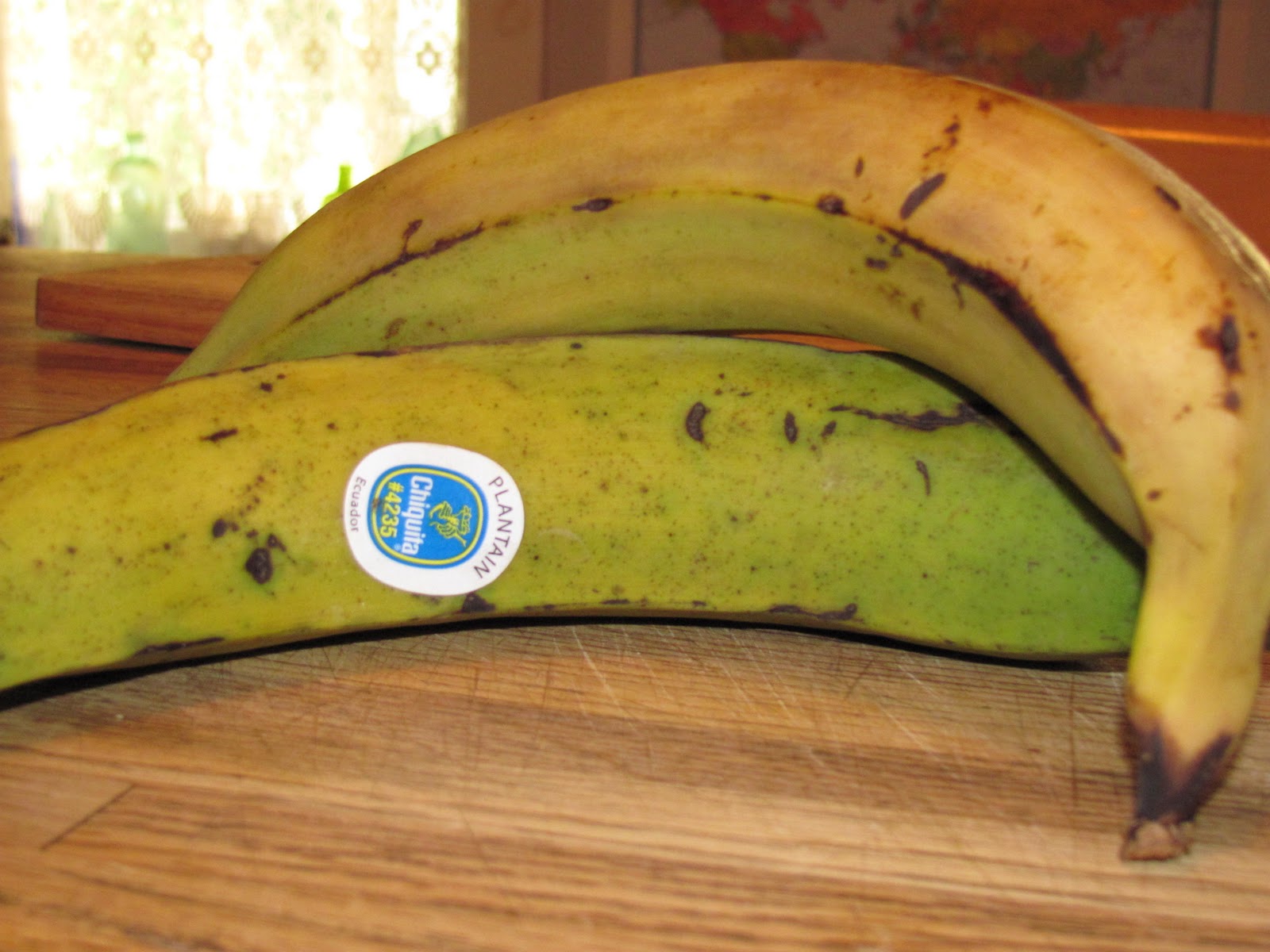
Use green, not yellow plantains - I've had great luck with Chiquitahttp://www.chiquita.com/#/Home/


Slice up plantains in chunks

Cut up cheese in chunks or wedges (your choice)

Sauté onions as garnish for mangu de platanos 

Fry up the cheese -- don't think about the consequences

Cooking on all 4 burners 

Must have jumbo mug of coffee

Thing 'o beauty

When plantains are soft, add butter, salt and a little water, then mash up in bowl

a beautiful Dominican breakfast!


Quesso Fritto


1 package Quesso de Freir Cheese


Flour


Oil for frying


Cut the cheese into fat slices (about 12 slices per 18 oz package).  Individually place each slice in bowl of flour.  They don’t need to be completely covered- just a dusting.  Heat 1/4 cup of canola oil in frying pan on high heat.  Place cheese slices in pan (oil should bubble just a bit).  Cook until browned on both sides.


Mangu de Platanos


Ingredients:

  • 4 unripe plantains
  • 4 tablespoons of butter
  • 2 tablespoons of oil
  • 2 large onions
  • 1 tablespoon of vinegar
  • 1 cup of cold water
  • Salt

Preparation:

  1. Boil the plantains adding 2 teaspoons of salt to the water. When the plantains are very tender turn off the heat.
  2. While the plantains are boiling, heat a tablespoon of oil in a shallow pan. Sautee the onions, add the salt and the vinegar. Reserve.
  3. Take the plantains out of the water and mash them with a fork. Add the butter and the cold water and keep mashing until it is very smooth. Garnish with the onions and serve with scrambled eggs or deep-fried slices of cheese, mortadella or beef salami.
Recipe from http://www.dominicancooking.com/rice-pasta-tubers-bread/1416-mangu-mashed-plantains.html


Final Assessment: We loved this breakfast - Like most Dominican food, it's flavors are mild - not spicy. The plantains and onions were great, and the fried cheese...well, who doesn't dig fried cheese? 


Tuesday, August 17, 2010

Day 48-Dominica(Roseau)(NA) Caribbean Reef Chicken and Arroz Con Leche - Up Next, Dominican Republic (Santo Domingo)(NA)

Smiling with my Buddyboy...that was before my original blog post vaporized...


Dominica(Roseau)(NA): Today was a long day - and it just got longer because as I was putting the finishing touches on tonight's blog post - I lost the whole thing - gone- poof - 2 hours of writing, composing, pictures (which now, I'm unable to reload for some @!$* reason) - vaporized. So, here I go again...

Dominica is an island located between the French islands of Guadeloupe and Martinique in the Eastern Caribbean. Sighted by Christopher Columbus (of whom I'm NOT a fan) in the 1400's, it did not gain independence until the 1970's. Today, it retains it's unique blend of French/Latin American Creole influences evident in the culture, language and food.

First, a shout out to David Lebovitz, whose blog I've begun following: http://www.davidlebovitz.com/ - His writing style, links, articles and musings are great. He recently posted a link to food styling for bloggers which I read with interest - clearly, I've got a long way to go. But if you want to check out a pro - go to his site and take a look.

Next, I want to give one of my favorite bands, Blitzen Trapper, props for their excellent, newly released record, Destroyer of the Void: http://www.blitzentrapper.net/ - You may think it's random to include a band in a foodie blog, but they've got a song entitled "Sadie" - my family nickname and screen name, http://www.youtube.com/watch?v=xViQF8vnra8 
which I'm sure they wrote for just for me. Support them and  buy their record so they can eat.

Okay, about Dominica and the wonderful food. Tonight I made Caribbean Reef Chicken and Arroz Con Leche (Rice Pudding), a classic "comfort food" dessert eaten in many Latin American countries.  I had more pictures but these will have to suffice for tonight.


Great stuff! Frozen mango to keep on hand - I made a rum/mango glaze for the chicken

Pyrat rum - one of my favorites - combined with brown sugar, cinnamon, ginger, cloves, lemon , line and hot sauce - oh yeah!

Behold, the rub

Mango glaze about 10 minutes before chicken is done

Done - beautifully browned to perfection
Rice, golden raisins, cinnamon and lemon zest for Arroz con Leche

I used a combination of milk, evaporated and sweetened condensed milk

Cooking up - the smell was heavenly
Finished! (a stock photo - mine was lost - theirs is better!)

INGREDIENTS:

  • 2 broiler/fryer Chickens - halved
  • ½ tsp. Salt
  • ¼ tsp. Pepper
  • ½ cup Dark Brown Sugar
  • 4 tbs. Dark Rum - divided
  • 1 tbs. Lime Juice
  • 2 tsp. Lemon Pepper
  • 1 tsp. Ginger
  • ½ tsp. Cloves - ground
  • ¼ tsp. Cinnamon
  • ¼ tsp. Garlic powder
  • 2 drops Hot pepper sauce
  • 10 oz Chutney - mango
  • Lemon - sliced
  • Lime - sliced
  • Parsley
METHOD / DIRECTIONS:

Sprinkle salt and pepper over washed and dried chicken. Set aside.
In a small bowl, make Caribbean paste by mixing together sugar, 2 tablespoons of the rum, lime juice, lemon pepper, ginger, cloves, cinnamon, garlic powder, and hot pepper sauce; set aside.
Place the chicken, skin side up, in a large shallow baking pan. Rub Caribbean paste evenly over the chicken. Bake in a 400°F oven for 45 minutes or until the chicken is fork tender. In a blender, place chutney and remaining 2 tablespoons of rum; process to blend. Spoon chutney mixture over chicken and bake about 3 minutes more or until chutney is warm.
Arrange chicken on a serving platter. Garnish with lime, lemon, and parsley.


  • Milk -- 4 cups
  • Short-grain rice --1 cup
  • Cinnamon stick -- 1
  • Orange or lemon peel (optional) -- 2 strips
  • Salt -- pinch
  • Raisins -- 1/4 cup
  • Sugar -- 1/2 cup
  • Butter -- 2 tablespoons
  • Vanilla -- 1 teaspoon

Method

  1. Place the milk, rice, cinnamon stick, orange or lemon peel and salt in a medium saucepan and bring to a boil over medium heat. Immediately reduce heat to very low and simmer, stirring often and scraping bottom, for about 45 minutes.
  2. Add the raisins and sugar and simmer for another 15 minutes. Stir often to keep from sticking to the bottom of the pot.
  3. Remove from heat and stir in the butter and vanilla. Adjust sugar to taste and serve hot or cold, sprinkling the top with some ground cinnamon.

Final Assessment:  Delicious - make both. I've run out of steam for tonight.

Monday, August 16, 2010

Day 47- Republic of Djibouti (Djibouti)(AF)- Harira Stew and Injeera Flat Bread - Up Next, Dominica (Roseau)(NA)


Republic of Djibouti(Djibouti)(AF)- is a small East African country on the Red Sea and the Gulf of Aden. The country gained independence from France on June 27th, 1977 and is the successor to the former 'French Somaliland'.  The population is divided into two main groups, the Issa (or Somali) people and the Afar. The remainder of the populace is formed by Europeans (mostly French and Italians), Arabs and Ethiopians. Tensions between the Afar and Issa led to the civil war of the early 1990s. Djibouti is a Muslim country and French and Arabic are its official languages, though Somali and Afar are also widely spoken.
Facing, as it does, the narrowest point of the Persian Gulf Djibouti lies in a strategic position. It has been used as a landing point for vessels following the Spice Trade for many centuries. As a result, as well as native cuisines (which are very similar to those of neighbouring Ethiopia) Djibouti also has strong Arabic, Indian and British influences. The Portugese also brought the techniques of roasting and marinating foods to this country. Arabs introduced saffron, cinnamon, pomegranate juice and other spices to the country and exotic Asian fruit like pineapple, lemon, orange and limes as well as New World foods like bell peppers, chillies, tomatoes and maize are common.


Celery, Cilantro, Parsley and Onions - from my garden (except the onions)

Cumin, Saffron, Chicken, Cilantro, Parsley and Onions - mmmmm....

I can't use up my tomatoes fast enough!

These are so sweet, I'm thinking about having them for breakfast with a little sugar on 'em

Chick Peas-Djibouti cooking has a definite Middle Eastern influence

I have no idea why sparkling water is called for in the recipe, but it tastes great and bubbles beautifullywww.polandspring.com

Angel hair Pasta (I think I may have added a little too much-the recipe simply said "a handful")

Injeera Bread - EASY to make and delicious - great to clean your bowl with
I put this picture in because I love this apron (a Christmas present from Mom and Michael <3)

Not the best picture of the finished product - sorry! I gotta work on my technique

Like Ethiopia, the Djiboutienne staple is a flatbread called Injeera, which is used to wrap various meat and vegetable dishes.


This recipe approximates the true injera, which is made from a fermented sourdough batter. Most recipes don't call for the lemon juice, but I find it necessary to supply the essential sour flavor that real injera adds to a meal.


6 to 8 crepes
  • All-purpose flour -- 1 1/2 cups
  • Whole wheat flour -- 1/2 cup
  • Baking powder -- 1 tablespoon
  • Salt -- 1/2 teaspoon
  • Club soda -- 2 to 2 1/2 cups
  • Lemons, juice only -- 2 each

Method

  1. Preheat a large cast-iron skillet over a medium flame. Mix the flour, whole wheat flour, baking powder and salt together in a large bowl. Stir in the club soda and mix to a smooth batter. It should have the thin consistency of a pancake batter.
  2. Wipe the skillet with a little oil using a paper towel. Ladle about 1/2 cup of the batter into the skillet and spread it with a spatula to make a large crepe. Let bake in the skillet until all the bubbles on top burst and begin to dry out, about 2-3 minutes.
  3. Carefully turn the injera over and cook on second side another minute or two. Try not to brown it too much.
  4. Remove the injera to a warm platter and repeat with the rest of the batter, wiping the skillet clean with an oiled paper towel each time.
  5. After the batter is used up, brush each injera with the lemon juice. Serve immediately or hold covered in a warm oven.

Harira


1 onion, chopped
A pound and a half of steak, chicken or veal, cut up into bite-size pieces
1 cup of lentils
1 can chickpeas
1 28 oz. can of chopped tomatoes
1 small can tomato paste
3 lemons, quartered
1 cup chopped celery
1 bunch of cilantro, chopped
1 bunch parsley, chopped
1 tsp ground cumin
1 pinch saffron
3/4 cup sifted flour
2 cups water
1 large handful of angel-hair pasta
Salt and pepper to taste
2 litters of sparkling water

Add oil to a large pot with meat, cumin, saffron, cilantro, parsley, onion, celery, and salt. Cook for 5 minutes then add the sparkling water and cook for a further 10 minutes. (I’m not sure what the sparkling water is suppose to do) Add lentils and chickpeas and cook for 50 minutes. Add the tomatoes and tomato paste and cook for another 20 minutes. Mix the flour with 2 cups of cold water and mix well with a whisk to get out any lumps. Pour this mixture into the pot stirring all the time. Add pasta and cook for 10 minutes. Serve hot and garnish with lemon.


   Final Assessment: Very tasty, although not my favorite African dish. The stew was filling and satisfying and the injeera bread was fun to make and eat - reminded me of Etheopian bread I had once in a great little restaurant in Central Square.