-->

Wednesday, April 27, 2011

Day 126.5 - Dandelion and Caramelized Carrot Salad with Toasted Pine Nuts and Feta Cheese


One of my favorite PBS radio programs is The Splendid Table with Lynne Rossetto Kasper. I can't decide what I love more about the show - the wonderful recipes and call-in advice she gives, or her voice. Lynne's voice smiles - which makes me smile. No matter the subject, her passion inspires me (and all of her other listeners, I'm sure) to try new food and recipes. If ever there was a reason to support public radio funding, this is one of the best - that's my plug and I'm sticking to it.

So last weekend while cooking, smiling and listening to her show on WBUR, she offered up a quick and elegant recipe on Dandelion and Caramelized Carrot Salad that I knew I had to try. Many thanks to Lynne and The Splendid Table - I can't wait to hear what you do next week!

I didn't have goat cheese on hand, and I didn't have pistachios, but I did have feta, pine nuts and acres of extremely healthy spring dandelion weeds greens, in my back yard. We don't use chemical fertilizers because of our dog - hence our lovely, organic dandelions, just waiting to be picked for tonight's splendid salad. By the way, be sure to wash your greens thoroughly to avoid unwanted protein.

Now the next time you look out your window and see a field of much maligned dandelions, don't despair! Smile and pick yourself a few handfuls of these lovely, baby bitter greens for dinner. You'll truly be eating off your land, even if you don't have a garden,  and you'll be glad you did.


Dandelion and Caramelized Carrot Salad with Toasted Pine Nuts and Feta Cheese (Recipe Adapted from Lynne Rosetto Kasper)

Salad:
4 large handfuls (1 to 1-1/4 pounds) of dandilion leaves or other tart greens, thoroughly washed and spun dry
1/2 to 2/3 cup toasted pine nuts
12 ounces fresh feta cheese

Dressing:
4 to 5 tablespoons red or white wine or sherry vinegar
1 generous tablespoon dark grainy mustard
1/3 cup minced sweet Vidalia onions
Salt and fresh ground pepper to taste
The oil from the caramelized carrots and more if needed

Carrots:
4 medium carrots, peeled and cut into thin strips about 3-inches by 1/16 inches
6 large garlic cloves, thinly sliced
2 to 3 generous pinches of sugar

Heat the greens on individual plates. Scatter with the nuts and crumbled feta cheese.

For the pine nuts, heat the oven to 350 degrees. Scatter pine nuts on a cookie sheet and toast for about 3-5 minutes, being careful not to burn the nuts. Remove from oven and reserve.

For the dressing, take a medium bowl, whisk together the vinegar, mustard, onion and salt and pepper to taste.

To caramelize the carrots have 3 or 4 layers of paper towels on a cookie sheet near the stove along with a slotted spoon. In a 12-inch slope-sided skillet, heat the olive oil over medium high for a few moments. It should sizzle when you drop a piece of carrot in it, but not smoke.

Salt the carrots and gently drop them into the oil. Cook, turning with the slotted spoon for 30 to 45 seconds until they are browning. Quickly scoop them up with slotted spoon, shaking off their oil, and spread them on the paper towel. Sprinkle them with the sugar.

Stir the garlic into the oil for a few seconds until it barely picks up color and scoop it out to drain on paper towels. Cool the oil in the pan off the heat for a few minutes.

To finish the salad, scatter the carrots and garlic slices over the salads.  Blend the oil in the pan into the dressing spoon it over the salads. Serve immediately.

Final Assessment: I loved, loved, loved this salad, because I am a huge fan of bitter greens. The caramelized carrots, crispy garlic, feta and pine nuts all topped off with the Vidalia onion dressing was sublime. My husband thought the greens were a little too bitter, but loved the rest. If you try this recipe, be sure to use baby greens, the full grown dandelion leaves will be too tough and bitter.

Monday, April 25, 2011

Day 126! Niger - Cecena - Black Eyed Peas, Onion and Chili Fritters - Up Next, Nigeria


Tonight's meal from Niger is a deceptively simple yet delicious traditional dish that can be served as is or along side grilled meat, rice and vegetables. Black-eyed peas (which I love in any way, shape or form), onions a hot chili, and an egg to bind the ingredients are all it takes to make these golden fritters. Be sure to include a saucer of hot sauce for dipping to bring out the flavor and give them a peppery kick.

Located in Western African, Niger (named after the river Niger), is a landlocked country. The largest nation in West Africa, 80% of the land is covered by the Sahara Desert. Niger shares its borders with Nigeria, Benin, Burkina Faso, Mali, Algeria, Libya and Chad. As such, the country is within close proximity of current turbulent political uprisings and change.

Niger is a predominately Islamic country, which supports itself primarily through subsistence farming and some export agriculture. Because the country is land locked, mostly desert and lacking in education and health care services, it consistently ranks lowest on the UN Human Development Index.

Culinary influences in Niger come from European as well as Arabic traditions. Spices such as saffron, nutmeg, cinnamon, ginger and cloves flavor the food. Grilled meat and local vegetables, black eyed peas, onions, hot chili peppers and coucous are commonly used cooking ingredients.


Cecena - Black Eyed Pea, Onion and Chili Fritters (Adapted from Celtnet)

1/2 pound black-eyed peas
1 small onion, finely chopped
1 egg
1 cup canola oil for frying
Salt to taste
1/2-1 chili pepper, finely chopped

Wash and allow the beans to soak for 2 hours, then remove the skins by rubbing a few of the beans at a time together in your hands. Wash away the skins, then use a blender to grind the beans to a smooth paste. Blend the onion and chilis into the bean mixture and beat with a whisk for 3-5 minutes.
Add the salt and beaten egg and beat into the mixture, whisking for another 3-5 minutes.
Heat the oil in a wok and deep fry the mixture one tablespoon at a time until golden brown.
Drain on paper towels and serve with hot sauce.

Final Assessment: Who knew that just a few ingredients could make such tasty fritters. Of course the fact that they're fried doesn't hurt, but the flavor, combined with the peppery heat of the hot sauce was both delicious and filling...and my kids scoffed them down!


Thursday, April 21, 2011

Day 125! Nicaragua - Vinagre de Piña (Pineapple Vinegar) Up Next, Niger


Original Painting, Joelle Feldman
I love fruit infused vinegars, so when I came across this Nicaraguan recipe for Vinagre de Piña, I knew I had to make it. And, since spring greens are coming in abundance, and summer is on the way, this vinegar which takes about 4 weeks to settle and ferment, will be ready just in time. Not only that, but there are no fancy ingredients or complicated steps - the whole process takes all of 5 minutes from start to finish and costs pennies compared to the store-bought stuff.

I can imagine this light, fruity vinegar blended with olive oil, a little crushed garlic, sea salt and black pepper, then drizzled a top rich avocados or peppery arugala. Sexy, right?

Located in South America, Nicaragua is a representative democratic republic and the largest country in South America. Nicaragua borders Honduras and Costa Rica. To the west is the Pacific Ocean and to the East, the Caribbean. Due to Nicaragua's tropical climate, fertile soil and abundant forests, the country boasts some of the world's most unique and important ecosystems. Conquered by the Spanish Empire in the 16th century, with the British establishing a protectorate on the eastern seaboard from the middle of the 17th century to the 19th century, the country is a diverse blend of Spanish and Creole.

As diverse as the culture is, the food is equally interesting and varied. Corn is the main staple in the country, but fruit, seafood and coconut are used in most regional cuisine. Corn is used to for dishes such as nacatamali, drinks, sweets and desserts. Fruits include, but are not limited to mango, papaya, jocote, grosella, tamarind, bananas, avocados and yucca. Herbs and seasonings include cilantro, oregano an achiote.


Vinagre de Piña (Adapted from Whats4Eats)

Peelings and trimmings of 1 pineapple, chopped
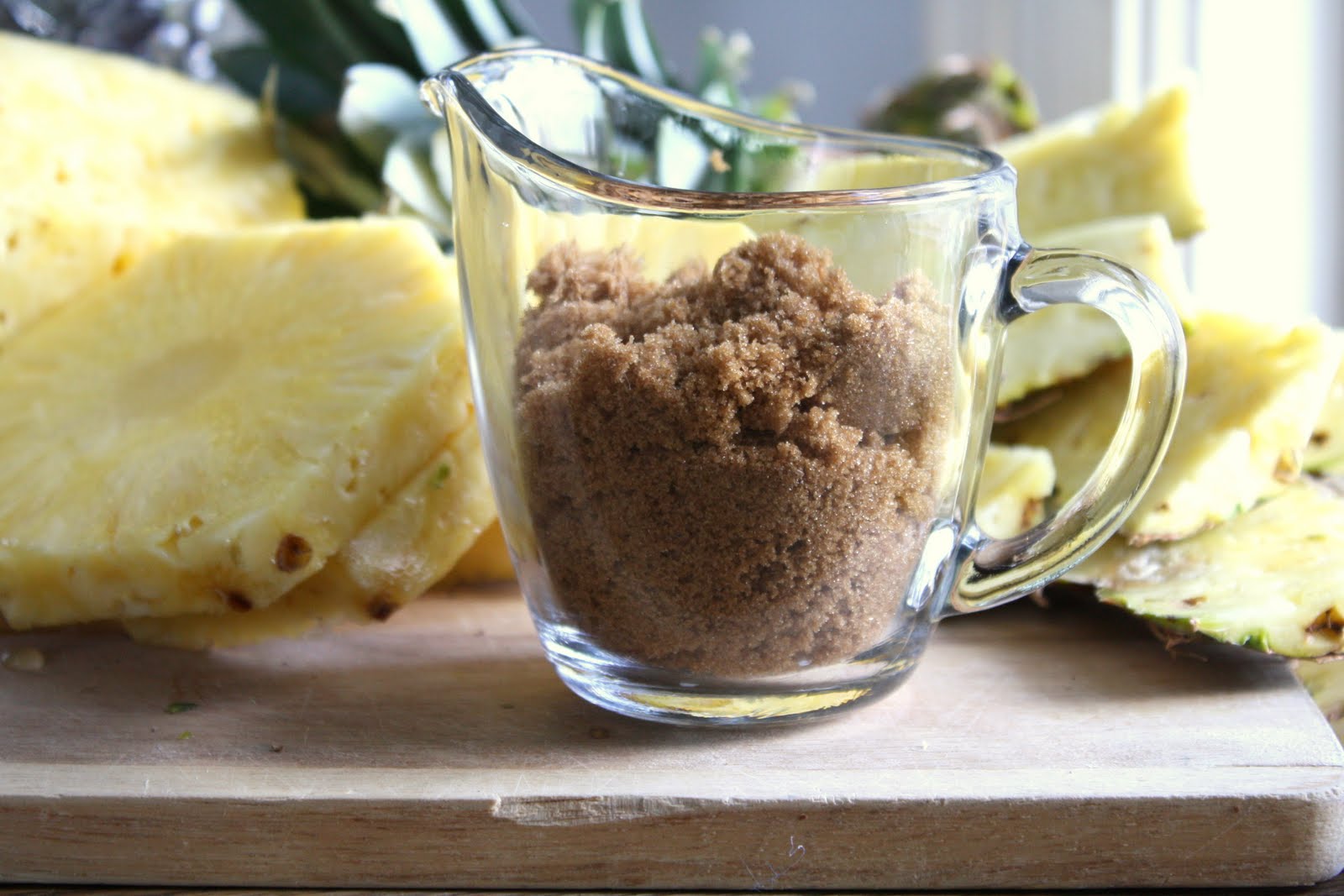
3/4 cup piloncillo or dark brown sugar
1 1/2 quarts water

Clean a large glass container with hot soapy water and rinse well. Add the pineapple trimmings and brown sugar and water and stir with a clean spoon to dissolve the sugar.

Cover the container with plastic wrap and a lid and set in a warm, dark place for 4-6 weeks. The liquid will turn murky and brown at first, but as time passes, any solids will settle out and the liquid will clear.

Once the liquid has cleared, strain the solids out of the vinegar by pouring it through several layers of cheese cloth or through a coffee filter. Store in a clean bottle away f om light and in a cool place.

* You can use the entire pineapple, including the fruit, if you like, but using just the trimmings is fine.

** After the vinegar is strained and stored, it may eventually develop a gelatenous mass that either sits at the bottom or floats to the top. This is called the "mother" of the vinegar (madre de vinagre), and it is harmless. If you start a new batch of vinegar, make sure to include some of the "mother" from the old batch to help it develop.


Monday, April 18, 2011

Teatulia

Teatulia
With more tea companies popping up everyday, it can be a bit of a blur trying to distinguish one from another, but earlier this year I got a chance to try tea from Teatulia and noted the brightness and freshness of the product. Not long after I met Linda Appel Lipsius, a co-founder and CEO of the company and was even more impressed by the lofty goals of the company. The reason the tea tastes so fresh? With tea there are generally lots of middlemen, but with Teatulia because it's all estate grown, there are none so you can be assured of the quality. The company is equally committed to environmental sustainability and the economic well being of their workers, in particular to the women who are growing the tea and managing the estate.

Teatulia tea comes from a single estate in Northern Bangladesh, which was founded in 2000. They sell black, green, white and herbal teas, all produced and certified organic. Teatulia is a tea garden, but with the goal of being an enterprise that gives the people working it, primarily women, a living wage. It's also a place to experiment with new cooperatives, like the one that allows members to receive a milking cow and pay for it with milk and cow dung, instead of cash. All the tea ingredients are grown on the estate, as well as fresh produce including rice, mangoes and hibiscus for the workers to use and to sell.

A lovely video about the company and their tea estate:


When it comes to environmental issues, Teatulia really goes the extra mile. Their tea is available loose leaf and also in bags and they use compostable corn for the tea bags and compostable eucalyptus for the tea bag wrappers. The inks used are water based, and the labels made from recycled paper.

The Teatulia tea I am most excited about is a blend with tulsi, an antioxidant rich ayurvedic herb that has a rich cinnamon like flavor. It's good hot or cold and is sometimes compared to Indian chai. It's a nice variety to literally spice things up now and again. Their white tea is a top seller, and has a very fresh, clean finish. It's never musty or bland. Other varieties include their version of Earl Grey (which uses bergamot from the estate), a breakfast tea, their signature black tea, a version with neem, green tea, white tea, lemongrass and ginger herbal infusions. I recommend the medley, so you can try them all.

Sunday, April 17, 2011

Day 124.5 - Soft Cooked Eggs


This little post is dedicated to the humble yet elegant egg. As a kid, my favorite weekend breakfast was a soft boiled egg served up in an egg cup along side perfectly toasted strips of bread. After chipping off the top portion of the egg to reveal the golden yolk, I'd delicately dip each strip of toast into the center of the egg, finishing off the rest of the with a special spoon.

These days, I make them for my kids, one of whom has coined the toast and egg combination, "Eggy Soldiers" as the long strips of toast remind him of soldiers standing at attention. For the most part, soft-cooked eggs in little egg cups seem to have gone out of style. But if you're feeling nostalgically retro and want to try something  classic and fun, pick up a few egg cups (.99 at Bed Bath and Beyond) and treat yourself or someone you love to some old-skool soft-cooked eggs.


Soft-Cooked Eggs (Adapted from The Joy of Cooking)

Unshelled eggs
Cover them in cold water

Put the pan over medium heat and bring the water to the boiling point.
Lower the heat to a simmer.
Now watch your time, which will depend on how large and how cold your eggs are.
After the heat us reduced, eggs will be soft cooked in 3-4 minutes.
Remove from the pot, put eggs directly into egg cups.
Using a knife, tap the egg about 1/4- from the tip all the way around and remove the top.
Serve with buttered toast strips or toast points.

Friday, April 15, 2011

Day 124! New Zealand - Liquored Pork with Apricots and Capers & Kumara Orange Mash - Up Next, Nicaragua


Tonight's New Zealand dinner is made possible by my old (figuratively speaking) and awesome friend, Sonny, who picked this book up for me while on assignment in New Zealand. Many, many thanks to you for taking time out of your busy schedule to hunt this beautiful book down for my wacky journey!

This cook book includes some of the best recipes from chefs throughout the country, but I tried to pick a dish that would capture the feel of the country and still be easy enough to replicate without having to fly there to find the ingredients. Tonight's meal comes Central Otago and Queenstown, on the tip of the South Island.

Located in the south-western Pacific Ocean, New Zealand is made up of north and south land mass islands. Because the country is one of the most remote in the world, it was one of the last to be settled by humans. Inhabitants on the island are primarily of European descent, the indigenousness Maori being the largest minority, followed by Asian and Polynesians.

Cuisine varies by location, but agriculture is the primary source that sustains New Zealand. Local produce, sea food and live stock are abundant, with British-based with Mediterranean and Pacific Rim traditions infusing the culture.


Liquored Pork with Apricots and Capers (Adapted from the Discover New Zealand Food Cookbook)

4 large pork chops
1 Tbsp. oil
1/2 cup brandy
1 cup orange juice
1/4 cup Kahlua (I used the homemade stuff I made!)
1/2 cup dried apricots, roughly chopped
zest of 1 orange
1/2 cup capers
1/4 cup walnuts or hazelnuts
1/2 cup cream
salt and freshly ground pepper to taste

Heat the oil in a hot frying pan and brown the chops on both sides. Remove to an oven proof dish. Degalze the pan with brandy then orange juice. Turn down the heat and add the kahlua, the apricots and organge zest. Pour over the pork chops, cover and bake in moderate oven for 30 minutes. Add the capers, walnuts and cream. Season and bake for a further 10 minutes, uncovered.
Serve with a green salad and kumara orange mash.

Kumara Orange Mash (sweet potatoes) (Adapted from allrecipes.com)

2 lbs (about 4) sweet potatoes, peeled and cut into 4-5 inch chunks
1-1/4 cups fresh orange juice
1 Tbsp. grated fresh ginger
1 garlic cloves, crushed
2 tsp. butter
salt and pepper to taste

Place the sweet potatoes in a large saucepan, add enough water to cover and bring to a boil. Reduce heat to medium, over and simmer until the sweet potatoes are tender, 10-12 minutes.

Meanwhile, combine the orange juice, ginger and garlic in a small sauce pan and bring to a boil. Reduce the heat to medium and simmer, uncovered, until he juice is reduced to 3/4 cup, 5 to 8 minutes. Remove from the heat, add the butter and stir until melted.

When the sweet potatoes are tender, drain them and return to the saucepan. mash with a potato masher. Gradually add the reduced orange juice mixture, stirring with a wooden spoon. Season with pepper.

Final Assessment: My family loved this meal because the sauce was sweet and loaded with citrus flavor. The combination of brandy and Kahlua made a wonderful glaze and the addition of the capers, cream and apricots was just awesome-sauce. Served up along side Kumara Orange Mash (sweet potatoes) and a fresh green salad, the meal was a winner.