-->

Wednesday, September 7, 2011

Day 160! Seychelles - Coconut Curry Tuna - Up Next, Sierra Leone

Phew, what a week:  kids back to high school and college, the upstairs of our house about to be gutted thanks to last winter's brutal weather and ice dams...dog got direct hit to the face from our friendly neighborhood skunk. And rain, lots and lots of rain, making photographing food in my nearly pitch black kitchen somewhat of a challenge. But I will not be deterred from my mission just because of a stank skunk and relentless rain - no, the show must go on. Just ask my husband what the definition of obsessed is, and he'll (lovingly) point to yours truly.

But, before I dive in, a big shout out to a new foodie friend, Laurrie, who is cooking her way around the world from her RV in a tiny galley kitchen. Check out her site, Life in an RV,  for awesome recipes and great writing. We both agree that it's fun and affirming to meet others who are as nutty and passionate about good food as we are.  Rock on, Laurrie!

Located in the Indian Ocean, the Seychells are an island country spanning an archipelago of 115 islands in the western Indian Ocean. Forty one of those islands form the oldest mid-oceanic granite islands on earth, of which the remaining 74 outer islands form low-lying coral atolls and reef islands. Granitic islands cluster around the largest island, Mahé, with the inner islands being the center of cultural, economic and tourism activity. First inhabited by Austronesian seafarers and Arab traders, the Portuguese settled on the islands in 1502. Between 1756-1903, the Seychelles were alternately controlled by the French, then the British. Following a coup in 1976, and then many re-workings of the country's constitution, a final draft was accepted and the country finally gained independence in 1993. This beautiful country is home to 75 different plant species, and boasts the world's largest seabird colonies in the world. The islands are known for their pristine beaches, marine life and coral islands that divers and snorkelers covet.

Cuisine in the Seychelles has a creole flair, blended with French and Asian influences. Grilled fish, octopus, chilies  ginger, garlic, coconut milk, papaya and rice are plentiful in this warm, tropical climate. Sweet potatoes, vanilla, coconuts and cinnamon are the primary agricultural crops, while frozen and canned fish, copra, cinnamon and vanilla are exported.

Tuna Steaks - I used frozen because that's what my budget allowed

The Basics: chilies, onion,garlic, ginger, turmeric and cardamom

Coconut milk for the sauce - I used light...just trying to watch the old waistline!

Brown the tuna quickly 

Mango chutney and sliced tomatoes from my garden - black sea salt finishes the dish


Coconut Curry Tuna (Recipe Courtesy of Celtnet)

2 lbs. tuna steaks
3 Tbsp. sunflower or canola oil
1 large onion, finely chopped
3 cloves garlic, minced
3/4 tsp. ginger, finely grated
3 fresh red chili peppers, seeded and chopped
1 Tbsp. ground turmeric
1/4 tsp. ground cardamom
3/4 tsp. salt
1 14 ounce can coconut milk
A few curry leaves if available

  1. Cut the fresh tuna into cubes. Season with salt
  2. Brown the tuna pieces in a skillet with a little oil and set aside.
  3. Saute the onion, garlic, ginger, chili and turmeric over low heat until the onion begins to color. Add the coconut milk.
  4. Add the tuna pieces. Stir gently, coating the tuna with the sauce. Season with salt, add the cardamom and cover, reducing heat to a simmer for 10 minutes.
  5. Remove lid and cook a few minutes longer until the sauce becomes thick and creamy.

Serve with basmati rice and mango chutney

Final Assessment: Okay, I'm a sucker for curry and coconut anything, so it's hard for me say anything bad about this dish. So I won't. It was really easy, took about 10 minutes to assemble and tastes wonderful. I didn't have fresh red chilies, so I used dried, which may have decreased the hot-factor, but it still had plenty of heat to it. Serving mango chutney and rice on the side cooled everything off perfectly. Oh, and I had some black sea salt that I topped the whole thing off with -- don't even get me started on how much I love crunch sea salt! A+


© 2010-2011, What's Cooking in Your World? Sarah Commerford/All Rights Reserved

Tuesday, September 6, 2011

All about Fava Beans

fava beans
When I lived in Italy there were all kinds of lovely things to eat that I never saw back home. Fortunately three of my favorites – fava beans, Tuscan kale and baby artichokes are now as common here as they were over there. Fava beans also known as broad beans take a bit of work to prepare, but are totally worth it. They are super tasty and healthy too, a good source of protein, fiber, iron and folate. Young fava beans are tender, have an unmistakeable buttery texture, an appealing herbal/bitter edge and cook up in no time. Older fava beans can be very starchy and are kind of earthy, but make a great addition to braises, soups and stews.

You can cook fava beans in the pod if they are very young and fresh. You can broil them, grill them, saute them in a pan with oil and salt or braise them in broth. But the more typical way of cooking them is to remove the beans from the pods, boil them for 3-5 minutes then pop the bean out of its thick skin (opening the skin then pinching the bean works best for me). I put the beans in a bowl of cold water to cool them down, it also makes them easier to handle. It takes about a pound of fava pods to yield a cup of beans. Just remember, smaller beans will be sweeter, larger beans will be starchier. Fava beans are so delicious you really only need a smattering to add color, texture and flavor to your recipes.

If you have lots of fava beans, consider making a mash or puree. You can serve it as a side dish, as a sauce for pasta or on crostini. I included a recipe for Fava bean and ricotta crostini with fresh mint in the book I wrote for Williams-Sonoma. While associated with Spring, you may find them well into late Summer. According to Ocean Mist, the ones grown in Castroville, California are in season from May through November, but you may be hard pressed to find them beyond September. Because they are somewhat delicate in flavor, pair them with mild or seasonal ingredients like fennel, lemon, seafood, morels, lamb, or fresh cheeses like mozzarella, feta and ricotta.

Other ideas for fava beans:

* Make a salad with fava beans, feta and vinaigrette

* Toss them in creamy risotto with shrimp

* Add them to bean salads

* Saute with garlic and onions in olive oil

* Serve on top of fried mozzarella, dress with lemon and extra virgin olive oil

* Use as a garnish to chicken and vegetable soup

* Serve with gnocchi or ravioli and butter

* Add to cold rice, bulgur, quinoa or barley salads

* Puree along with chickpeas to make hummus

Some enticing fava bean recipes

Garlicky broiled fava beans from Local Lemons

Spring fava bean fennel salad from Simply Recipes

Stewed artichokes with fresh fava beans from Hunter Angler Gatherer Cook

Turkish fava beans with garlic yogurt sauce from Opera Girl Cooks

Braised fava beans with prosciutto from What did you eat?

My thanks to Ocean Mist for sending me some fava beans earlier in the season

Saturday, September 3, 2011

Day 159! Serbia - Ajvar (Roasted Eggplant and Red Pepper Caviar) and Pogača Flat Bread


I had a meal last night that I'm still thinking about today. Since following lusting after Ten Tables for months on Facebook, my bff Lucy, aka, Lulu, and I finally got dinner reservations. Located in Jamaica Plain (also in Cambridge and PTown), this gem of a restaurant was like balm on our week-weary souls. And, even better, we got the special reserved seats that abut the open kitchen so we could watch the talented and generous chefs who make that efficient little kitchen hum. I say generous because the crew of  3 were cranking out the meals on a bustling Thursday night, but still made time to chat with us and answer all of our questions about ingredients and recipes. Here's what we had: A charcuterie plate & mussels; Pan seared bluefish with a mixed grain salad, cherry tomatoes and Hungarian wax peppers; Natural hanger steak with cranberry bean and summer squash ragout and roasted romain and salsa verde; And for dessert: Hazelnut brown butter cake with blueberry compote with lemon verbena ice cream,  and orange and bay leaf creme brulee. Oh, and a lovely rose. Crazy decadent, right?! Luckily, Lulu lives in JP, so we strolled, rolled home, me tottering up the hill to her house in my platform shoes. Fashion over function. Check out Ten Tables if you want to treat yourself to top notch food (much of it from local sources), an impressive wine list, ambiance (small and candle-lit, the restaurant verily glows) and great waitstaff.

Officially the Republic of Serbia, this landlocked country sits at the cross-roads of central and southwest Europe, covering the southern part pf Carpathian basin and the central section of the Balkans. Serbia borders Hungary, Romania, Bulgaria, the Republic of Macedonia, Croatia, Bosnia and Herzegovina, Montenegro, Albania, through Kosovo. Serbia's history is extremely complex, so this synopsis should not be considered complete. during the 7th century the Serbian's arrived in the Balkans, gradually evolving to become the Serbian Empire in the 14th century, then changing hands several times.  Between 1991-92, Slovenia, Croatia, Bosnia and Herzegovina and Macedonia seceded from Yugoslavia. In 1998, Slovidon Milosevic, the president of Serbia and Yugoslavia, waged  a 79 day war against ethnic Albanians and the Kosovo Liberation Army (KLA), ultimately being charged with war crimes for unspeakable crimes against humanity, as well as corruption. Serbia's southern province gained independence in 2008, but is not recognized unanimously by all international governments. For a more comprehensive overview, follow this link.

Cuisine in Serbia is heavily influenced by Balkan, Mediterranean, Turkish, Central European, Austrian and Hungarian traditions. The country's rich, fertile plains and continental climate (except to the south that tends to be hot and dry and quite cold in winter), are ideal for growing grains, fruits and vegetables. Serbia is second in production of raspberries and plums after Russia and China, respectively. Pickled foods, sauerkraut, pogaca (flat bread), ajvar (vegetarian caviar), sausages, soups, roasted meats, lamb, pork and barbecue and rich tortes are all typical of the Serbian diet.

Ajvar - Roasted Eggplant and Red Pepper "Caviar" Spread


Pogaca - Serbian yeasted flatbread 


Ajvar - Roasted Eggplant-Pepper Caviar Spread (Adapted from aboutfood.com)

2 large eggplant (about 3 pounds)
6 large red bell peppers
salt and black pepper
1 garlic clove, finely chopped
Juice of one lemon
1/2 cup good quality olive oil
1 Tbsp. finely chopped parsley

Heat oven to 475 degrees. Place eggplants and peppers on a baking sheet with a lip to catch any juices and roast until their skins blister and turn black, about 30 minutes.
Place roasted vegetables in a heatproof bowl. Cover with plastic wrap and let them steam for 10 minutes.
Peel off and discard blackened skins, stems and seeds. In the bowl of a food processor, pulse until desired consistency is achieved (I like plenty of texture) Season with salt and pepper. Add garlic and lemon juice, and drizzle in olive oil. Pulse once or twice to blend.
Transfer to a glass dish and sprinkle with parsley for garnish. Store covered in refrigerator for up to 1 week.

Pogaca (Serbian Flat Bread)

1-1/2 cups water
1-1/2 tsp. yeast
6 cups flour (more if dough is too sticky - I used unbleached white wheat flour)
1-1/2 tsp. salt
1/4 cup olive oil
beaten egg for brushing over top

Dissolve yeast in warm water.
In the bowl of a stand mixer, fitted with a bread hook, add remaining ingredients. Mix to a medium dough.
Knead for 5 minutes.
Divide into thirds. Roll to fit size and shape of 8" or 9" cake pans (lightly greased).
Brush dough with beaten egg and prick dough all over with a fork.
Bake for 20-25 minutes at 425 F until golden brown.

Final Assessment:  Whoa! If you've never made roasted Ajar "caviar" before, please do. Not only is it easy, but it's well worth the little of time it takes to roast the eggplant and peppers, which are bountiful in stores and local New England gardens this time of year. The flavor is rich, roasty (yes, that's an adjective, Webster just isn't hip to it yet) and sweet. It's a little like baba genoush, but prettier because of the addition of red peppers. It was so good, we ate it right out of the food processor bowl with spoons. Later on, I made a chicken cutlets and pasta for the dudes in my house, and we spooned it right onto of the hot pasta. The pogaca is kind of like dense pita bread - simple, peasant style bread that is best torn into pieces, warm from the pan. Sprinkled with a little sea salt and dipped in the ajar, it's a lovely appetizer or vegetarian meal. I have some left over, which I'm planning to spread on toasted flat bread for breakfast. 


© 2010-2011, What's Cooking in Your World? Sarah Commerford/All Rights Reserved

Friday, September 2, 2011

Pizza Pairing

pizza pairing
You know what to drink with pizza, beer or wine, right? But what beer and what wine? Does it make a difference? To figure out the answer to this weighty philosophical question a group of food and wine writers descended upon Patxi's Pizza to eat and drink. A lot. I'm pretty sure this may the first and only time anyone asked for a spit bucket at a pizza parlor.

We ate thin crust pizza, thick crust pizza, deep dish pizza, pesto pizza, meat pizza, vegan pizza you-name-it-we-ate-it pizza. The conclusions were pretty clear in terms of what worked and what didn't. Here are the matches I liked the best:

Thin "cheese to the edge" pizza + Rosenblum Cellars Zinfandel After trying both Pinot Noir and Cabernet Sauvignon, I'm convinced Zin is the right red wine for pizza. The heavier tannins stand up to the richness of the cheese and it is not overwhelmed by the acid of the tomatoes.

Sausage pizza + Stella Artois This is an interesting match. The yeasty notes in the beer are mirrored in the pizza and each bite makes you want another sip of beer.

Spicy pizza + Hoegaarden The bright lemony edge and bubbles in the Hoegaarden are really refreshing with a fiery pizza.

Everything pizza + Bud Light While some might find Budweiser a bit flabby and boring, it's actually a good match when the pizza has got a lot of competing flavors.

When writing a story on pizza for a magazine a few years ago I learned Prosecco is considered a classic Italian choice to go with your pie.

What's your favorite beverage with pizza?

Thanks to Patxi's for hosting this tasting

Thursday, September 1, 2011

Barbecue Sauce Reviews

barbecue sauce
Right now I have three open bottles of barbecue sauce in my fridge. I received each one as a sample to try. Welcome to the life of a food writer and frequent specialty food reviewer. So here's my feeling about barbecue sauce, the best barbecued meat doesn't need any sauce at all. It's smoky, spicy, tender and succulent (I'll post soon about Franklin Barbecue in Austin and you'll see what I mean). But for those of us who do not live in Texas or have a smoker, barbecue sauce is a great way to add flavor to all kinds of meat. You can cook with it or add it at the table to chicken, ribs, beef, whatever you like really.

I have three bottles so I figured why not compare them in a blind taste test? I cooked some boneless beef short ribs (flanken) very plainly. I like cross cut short ribs because they are flavorful and tasty even without any sauce and don't require a marinade. Flanken is a relatively inexpensive cut of beef, if you can find it. It isn't as tender as steak, but cut thin it is equally delicious cooked rare or well done. Really.

Each of the sauces were good, and each had a different flavor profile but for me and my other taster, my husband, there was one clear favorite.

The first bottle was 1849 bbq sauce (14oz $5). I don't know much about this brand, even how I ended up with it. But I can tell you I like it. If you're wondering why it's called 1849, according to the website, it's because in 1849, the average man ate 6 pounds of meat a day. Unlike the others, it has a strong smoky flavor, though by comparison it does seem a bit sweet. It has both molasses and brown sugar in it. If you like smoke, this is a good choice.

The second bottle was Pendleton mesquite bbq sauce (18oz $6.50). This sauce is more vinegary, so perhaps it would be better for cooking than for using at the table? It's also much thinner and seemed spicier than the others, but I think that may just be the vinegar. Or it could have been the whiskey, one of the more unusual ingredients. While it is called mesquite, and it has "natural mesquite flavor" listed as one of the ingredients, I didn't get much wood or smoke flavor.

The third bottle was SFQ (the original San Francisco-style barbecue sauce) (8oz $5). What is San Francisco-style bbq? Well the idea is that it includes some signature flavors of San Francisco, namely coffee, chocolate and in a bit of a stretch, red wine in the form of red wine vinegar. This sauce is very complex but well balanced with just a hint of heat. It was the clear favorite when compared with the others and I highly recommend you try it. I have no doubt some serious work went into getting the formula just right because no one flavor dominates, the spice and seasonings all meld together beautifully. I couldn't stop dunking my short ribs into this sauce. I'm convinced it would make just about anything taste good.

So why buy bbq sauce instead of making it? Convenience, plain and simple. It's a great to have on hand for when you have limited time or energy for making sauce from scratch. I sometimes use it to dress up sandwiches too, though having 3 bottles is probably more than anyone needs...Do you have a favorite bbq sauce? Let me know which one you prefer in the comments.

Broccoli with Garlic Sauce


This dish is a personal one for use, a dish we make to transport us back to a specific time and place.  The place was Philadelphia, and the time was college.  Whether it was a quick lunch between classes, a brief chance to see each other during the day, or an evening in the labs working late, this Chinese food cart had us covered day in and day out.  The Styrofoam container held a familiar, comforting meal, stir fried broccoli smothered in spicy garlic sauce, laid on a bed of rice.  For three dollars a piece, it had everything we needed to be happy.  Here is our attempt to recreate it.

Ingredients:
3 tablespoons oyster sauce
3/8 cup chicken broth
5 ½ tablespoons soy sauce
1 tablespoon rice vinegar
1 tablespoon white wine vinegar
2 teaspoons chili paste
1 and a half heads of garlic, minced
1 tablespoon cornstarch
2 tablespoons water
1 tablespoon peanut oil, plus 1 teaspoon
splash sesame oil
4 ½ tablespoons brown sugar
3 bunches of broccoli

Instructions:
In small bowl, whisk together oyster sauce, chicken broth, soy sauce, vinegars, and chili paste.  In another small bowl, whisk cornstarch and water and set aside.  Heat peanut oil in wok and cook broccoli in peanut oil, a splash of sesame oil and just a bit of water until the center of stalks become only slightly translucent yet remain crispy.  Remove broccoli and remove any water or oil that is left from cooking.  Heat a teaspoon or so of peanut oil and the splash of sesame oil on medium-low heat and cook garlic for about a minute (don’t let it burn).  Turn heat to medium low and add sauce.  Stir in sugar and bring sauce to a boil (continue to stir).  Add cornstarch and water mixture and cook on medium low for 3-4 minutes, stirring constantly.  Add cooked broccoli to sauce and toss.  Serve with rice.

Tuesday, August 30, 2011

Day 158.5 Moroccan (again) - Gingered Fruit Tagine with Pomegranate Molases


"La cuisine est l'âme parfumée de notre culture."
(Cuisine is the perfumed soul of our culture.)
-Edmond Aman el Maleh, (1917)
Preeminent Moroccan thinker, writer, teacher of philosophy

Several weeks ago I received an offer to review and test a few recipes for a new cookbook, 150 Best Tagine Recipes, by Pat Crocker. An international award winning cookbook author, culinary herbalist and professional home economist, Pat has also written books on juicing, smoothies, yogurt, as well as vegetarian and vegan cooking. And, as if that isn't enough, she is the recipient of of the 'Professional Award' for the International Herb Association as well as the Literary Award from the Herb Society of America (2009). You go, Pat!

Anyone who follows my blog knows how much I love Moroccan and North African cuisine (thank you to my Moroccan friends, Ousama and Mohammed who have so generously shared their recipes!) as well as cooking with my tagines. So, a couple of emails later with the nice folks at Robert Rose, and the cookbook was on its way to me to sample and review. But, before I get into the recipes, a little about the book.

Beginning with the quote (above), I fell in love with this book. The introduction gives an excellent overview of the Maghreb (Algeria, Morocco, Tunisia and Libya), and how the ancient blend of these cultures has influenced North African cooking as we know it today. Known for its healthy and fresh foods, the Mediterranean diet relies far more on whole ingredients such as fresh fruit, vegetables, nuts, grains, garlic, spices, olive oils and scented flower water than on meat and dairy products.  One of the awesome characteristics of tagine cooking that makes it both unique and delicious is the way fruits, vegetables, meats/fish and spices are combined and juxtaposed. Somehow, knowing the history behind the cooking makes the food taste better too because it makes you think about and connect with what you're eating - something we don't do enough of.

Following the book's introduction, Crocker includes straight forward sections on traditional v.s. modern tagines and their features:  how to cook with a tagine, which kind is best for various recipes and vendor information, along with websites and sources in the back of the book. Perhaps one of the most interesting elements of her book is a substantial section on North African herbs and spices, including drawings, descriptions and uses, and an accompanying section on Mediterranean ingredients. Whether you're a spice aficionado or just starting to dabble in the spice world, this section of 150 Best Tagine Recipes makes for great and informative reading.

Finally recipes are divided by poultry, lamb, beef, fish and seafood, vegetables, dips and sauces, sides and salads and beverages and sweets. Each recipe is accompanied by a side bar that includes author commentary as well as tips for optimal cooking and substitutions.  Included in the center of the book are a number of beautiful full color photographs that do justice to this interesting cooking style. One of the great things about these recipes, and tagine cooking in general, is how easy the process is. All the ingredients are slow simmered together yielding tender dishes that smell and taste wonderfully exotic and clean. The only down side to this compilation of recipes is that there are 150 to choose from and they all sound good!

So what did I cook? I settled on a Gingered Fruit Tagine (pg. 210). Why? First, because I've never made a fruit tagine and I love trying new things. Second, native fruit in New England is plentiful in August, and my local farm stand, Arcadian Farms has a beautiful variety of peaches, nectarines and plums available. Lastly, I love fruit for dessert and this recipe included Pomegranate Molasses (pg. 172), another thing I'd never made but had to try. I spooned the tagine over over Greek vanilla yogurt and garnished it with mint from my garden. Score!

How to begin to describe the finished product?  Wow! The Pomegranate Molasses truly tastes like a across between tangy pomegranate and and rich molasses. In addition to adding it to the tagine while cooking, I drizzled it over the fruit compote which tinted the yogurt a lovely shade of pink and sweetened the fruit just enough. As for the Gingered Fruit Tagine...there was a surprise in every bite. The dried apricots and dates remained chewy, while tender chunks of peaches and nectarines melted in my mouth, followed by little pieces of ginger tingling on my tongue. And, as Crocker notes in the side bar, any fruit that's in season works in this dish, so I can imagine making this in the winter with pears and any combination of dried fruit and nuts. Even my boys and husband who generally scoff at yogurt and fruit for dessert, loved this dish. If there's any left over, I'm having it for breakfast.


Ingredients for Pomegranate Molasses: pomegranate juice, cane sugar and lemons


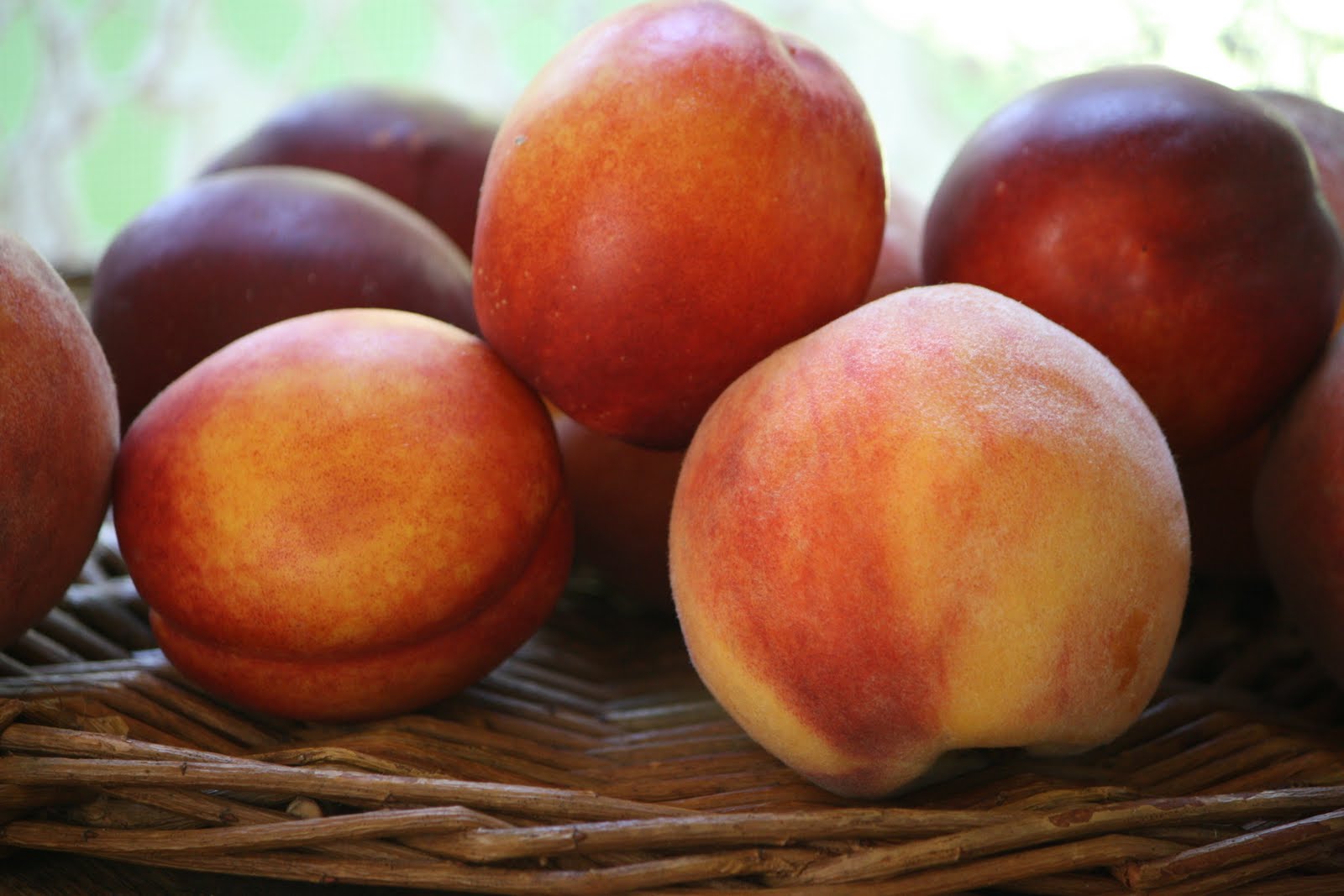
Tagine Ingredients: Peaches and Nectarines;  dried dates, apricots and fresh ginger


 Tagine - available at Williams Sonoma - be sure to use a diffuser!

Voila! Served over vanilla Greek yogurt 

Pomegranate Molasses (Recipe courtesy of 150 Best Tagine Recipes, by Pat Crocker: www.robertrose.ca reprinted with permission)
(Makes one pint)

4 cups pomegranate juice
1/2 cup organic cane sugar crystals
1/4 cup freshly squeezed lemon juice
  1. In a heavy-bottomed saucepan, combine pomegranate juice, sugar crystals and lemon juice. Bring to a gentle boil over medium-high heat, stirring until sugar is dissolved. Reduce heat and keep gently simmering for about 1 hour or until thick and syrupy. Liquid should be reduced by at least one half. Pour the hot liquid into canning jar before cooling. Cap and let cool completely
  2. Store in the refrigerator for up to 2 weeks.
Gingered Fruit Tagine (Recipe courtesy of 150 Best Tagine Recipes, by Pat Crocker: www.robertrose.ca, reprinted with permission)
(Small Tagine)

1 lb. fresh fruit, peeled and pitted
1/4 cup sliced dried apricots
1/4 cup chopped fresh or dried dates
1/4 cup Pomegranate Molasses (see recipe above), or brown rice syrup
2 tsp. minced fresh gingerroot
2 Tbsp. freshly squeezed lemon juice
  1. Cut larger fruit into quarters, and smaller fruit into halves. In the bottom of a flameproof tagine, combine fresh fruit, apricots, dates, molasses and ginger. Cover and cook over medium-low heat for 10 minutes or until juices release and fruit is is slightly tender.
  2. Stir in lemon juice and cook, stirring constantly for 2 minutes or until fruit is soft. Serve warm or chilled (the mixture will thicken when cooled), with rice or yogurt.


© 2010-2011, What's Cooking in Your World? Sarah Commerford/All Rights Reserved