-->

Wednesday, August 4, 2010

Day 42-Croatia - Crni Rižot-Black Risotto with Squid, Lobster and Micro Greens - Up Next, Cuba


There's nothing better than a summer meal that uses just picked ingredients from my garden paired with fresh seafood. Since lobster and squid were both on sale at my local grocery store, I decided to make a meal representative of  Croatian Mediterranean cooking, which is influenced by Greek, Italian and French cuisine. It was a wonderful, simple, meal we all enjoyed immensely. 


Croatian cuisine is heterogeneous, and is therefore known as "the cuisine of regions". Its modern roots date back to Proto-Slavic and ancient periods and the differences in the selection of foodstuffs and forms of cooking are most notable between those on the mainland and those in coastal regions. Mainland cuisine is more characterized by the earlier Proto-Slavic and the more recent contacts with the more famous gastronomic orders of today - Hungarian, Viennese and Turkish - while the coastal region bears the influences of the Greek, Roman and Illyrian, as well as of the later Mediterranean cuisine - Italian and French.http://www.croatiaemb.net/general.html

Croatia(Zagreb)(EU):Once part of the Roman, Ottoman and Austrian Habsburg empires, Croatia finally declared its independence from the former Communist state of Yugoslavia in 1991.

Ethnic fighting in the western Balkans (in the 1990s) brought havoc to Croatia; historic cities and towns like (Dubrovnik and Zadar) were devastated; and even temporarily abandoned. Slowly, as the country rebuilds, tourism has begun to pick up and proud Croatian's are returning to their lives before war.

Croatia is a beautiful land, with a jagged coastline (the Dalmatian), one dotted with dozens of islands. Inland, the lower mountains and hills of the Dinaric Alps slice through the country.

Uncleaned squid

Cleaned, ink removed and reserved

Cut up into rings


Heat seafood stock and keep at a low simmer

Sauté onions and garlic, then add tomatoes, parsley and squid

The recipe didn't call for it....but...butter makes EVERYTHING better

Add risotto

Reserved squid ink - the deepest shade of black imaginable!

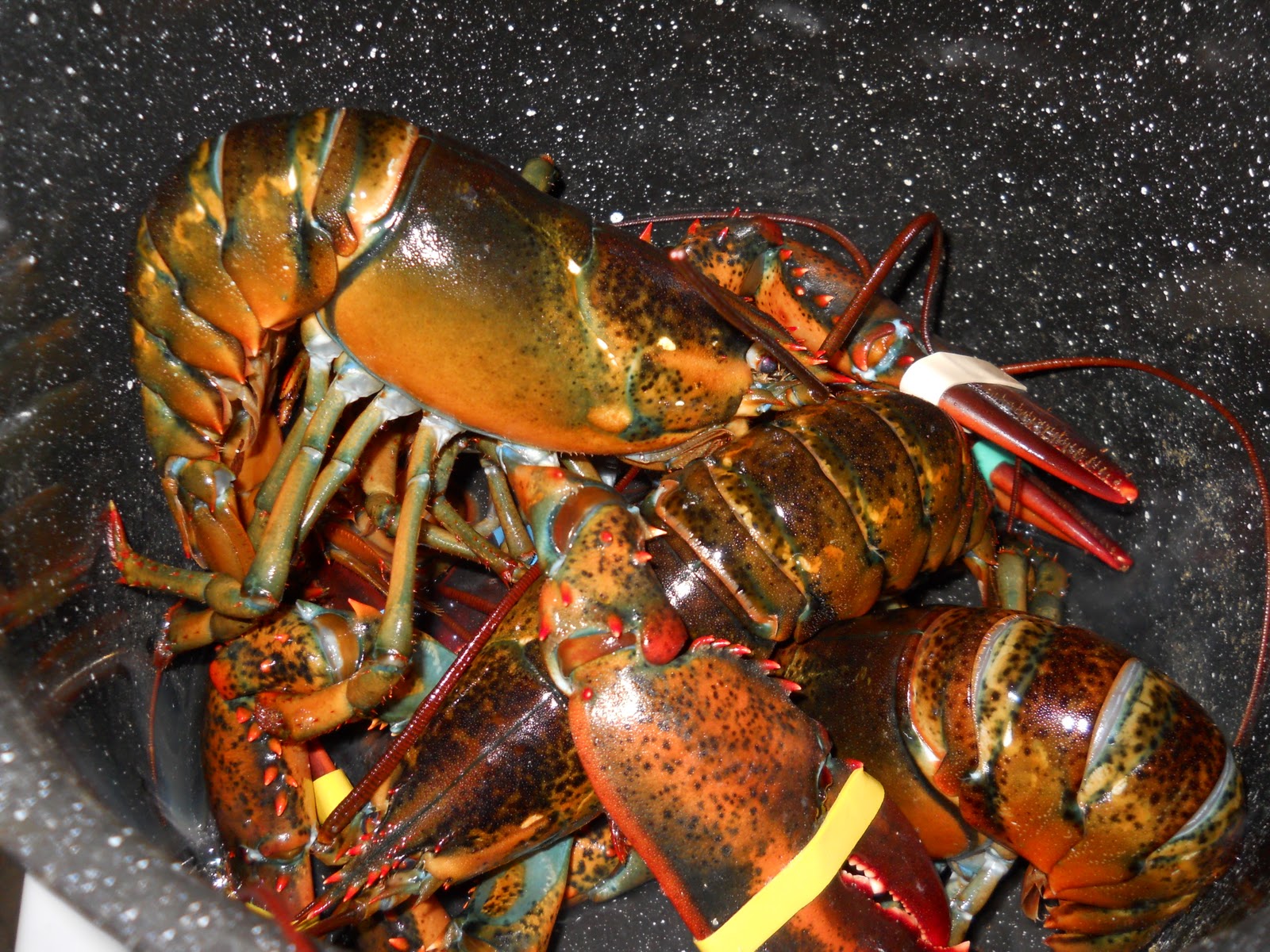
Ummmmm....new shell lobsters

Add squid ink when risotto is just about done

My own micro greens and cherry tomatoes: packet of seeds cost me $1.00 & we'll have them all summer

Niiiiicceeee

The meal: black risotto with squid, lobster and micro green salad
Crni Rižot


Black risotto is a very popular and delicious dish served along the Dalmatian Coast of Croatia. This is a highly prized and unusual dish coloured and flavoured with squid or cuttle fish ink. If you are looking for a recipe to impress seafood-loving guests, this is definitely one to try. Risotto Negro is a specialty of the Veneto region, made with cuttlefish cooked with their ink-sacs. Dalmatia was part of the old Venician state.

Serves 4


2 1/2 pounds cuttlefish or squid/calamari (fresh is best)
1/4 cup olive oil
1 large onion, minced
2-3 cloves garlic, minced
3 tablespoons finely chopped Italian flat-leaf parsley
salt and fresh ground pepper to taste
1 small tomato, peeled and diced
fish stock
1 1/2 cups arborio rice
1 tablespoon olive oil (for rice)
lemon slices for garnish
parsley for garnish


How to make Crni Rizoto (Black Risotto)


Wash the cuttlefish under running water. Pat dry. Remove the dark outer skin and
cartilage from the cuttlefish. Next, very carefully, take out the ink sac and reserve for later use. Cut the cuttlefish into small pieces.

Heat a large, deep skillet with the olive oil over medium heat. Sauté the onion and garlic.
When soft, add the cuttlefish and parsley. Salt and add the pepper and tomatoes. Stir to mix and then add some water or fish stock to the skillet and sauté until the cuttlefish becomes partially tender. At the same time, bring water or fish broth, that you will be using to cook the rice to a simmering boil in a separate saucepan.

Rinse the rice, and then add it to the skillet along with the 1 tablespoon of olive oil. Stir to coat the rice in oil and skillet juices and sauté for about 1 to 2 minutes. Then add the simmering water or fish broth 1/2-cup at a time, stir until the rice absorbs the liquid and wipes the sides of the pot as you stir. When the rice dries out, add another 1/2 cup of the simmering liquid (reduce the additions of liquid to 1/4 cup after 20 minutes) and continue to stir-cook. Remember to stir well and always loosen the rice from the bottom of the pot so that it doesn't stick. Never drown the rice in the liquid, since risotto is not boiled rice. It will take the risotto about 25 to 30 minutes to cook if you are using arborio rice. The rice when done will be tender but al dente, or firm to the bite.

Close to the end of the cooking time and before removing the rice from heat, add the contents of the ink sac to the risotto. Stir to mix well. Remove from heat and place on serving platter. Garnish by surrounding with sliced lemons and sprinkling additional parsley if so desired.


Final Assessment: I loved this risotto! I make it a lot, but have never used fresh squid and ink. The lobsters, stand alone, I can't take credit for anything except buying them and popping them into a pot of boiling water. As for the greens, they were sweet, savory and spicy - a very nice way to offset the richness of the risotto and lobster. A+


Monday, August 2, 2010

Day 41: Cote d'Ivoire (Ivory Coast)-Kedjenou Stew, Yams and Plantains- Up Next, Croatia (EU)

Since I started this blog, tonight's Ivory Coast is the 13th African country I've cooked in. I've got to admit that my family is getting a tad blase about African cooking. Although they've enjoyed every meal, it hasn't seemed to vary that much from country to country. Rice, plantains, cassava and ground nuts are the starches commonly used, and stews dominate most meals.  In part, this is undoubtedly because I'm not actually cooking in Africa, so I'm not privy to the countless other spices, dishes and variations known to those who live, cook and eat in Africa. That said, it's also a gentle reminder to my kids that they live in a country that offers them unparalleled choices and opportunities, food being one of the most basic and most important. So, to my often entitled teenagers, I say: stop complaining. Be thankful, be grateful and enjoy your good fortune. Yeah, Momma always gets the last word!

AND - a huge thank you to my beautiful and brilliant techie friend, Barbara, who helped me with the uploading difficulties that have plagued me since Blogger "improved" it's blogging functions.

The Republic of the Ivory Coast(Yamoussoukro)(AF): On the south coast of the western bulge of Africa, the Ivory Coast, or Cote d'Ivoire,  is bordered to the north by Mali and Burkina Faso, to the east by Ghana, to the south the Gulf of Guinea of the Atlantic Ocean and to the west by Liberia and Guinea.
Except for the Guinea Highlands in the northwest (from Man to Odienne), with peaks rising to 4000 and 5,000ft, the Ivory Coast is mostly a vast plateau, tilted gently towards the Atlantic. It is drained by four major rivers running roughly parallel from north to south, the Cavally (on the Liberian frontier), Sassandra, Bandama and Comoe. They are not of much value for transportation as they are sluggish in the dry season, broken by numerous falls and rapids and subject to torrential flooding in the rains.http://www.africaguide.com/country/ivoryc/


The food of the Ivory Coast, or Côte d'Ivoire, has slow-simmered stews and a variety of starches and grains. Chicken and fish are popular. Tomatoes, eggplant and onions are important vegetables. Cassava root, plantains, and rice form the bulk of starchy calories. A popular dish is mafé, or sauce d'arachide, which is meat in peanut sauce. Side dishes include fried or mashed plantains and attieke, grated and cooked cassava. Small, local restaurants called maquis serve dishes like kedjenou, chicken stewed with tomatoes and vegetables.

For the Ivoirian dish of kedjenou, chicken and vegetables are slow-cooked in a well-sealed pot with little or no added liquid. The resulting dish has a full-flavored concentration of the chicken's essence and meltingly tender meat. Kedjenou is traditionally cooked in an earthenware jar called a canary over a slow fire. You can cook it in a pot in the oven.http://www.whats4eats.com/poultry/kedjenou-recipe

The basic ingredients: yams, ginger, garlic, onions, tomatoes, egg plant and chicken

Doing the prep - a very easy meal to prepare

Brown the chicken in a heavy pot, add vegetables

Add the eggplant

Put foil over the pot, then place the lid over it to ensure a tight seal

Yams and plantains - I could live off this sweet combination

Done!

Let's eat!
A thing 'o beauty


Kedjenou
 
4 to 6 servings

* Chicken, cut into serving pieces -- 2 to 3 pounds
* Eggplant, peeled and cubed -- 1 large
* Tomatoes, seeded and chopped -- 2 or 3
* Onions, thinly sliced -- 2
* Hot chili peppers, chopped -- 2 or 3
* Garlic, minced -- 2 or 3 cloves
* Ginger, minced -- 1 tablespoon
* Thyme -- 1 teaspoon
* Bay leaf -- 1
* Salt and pepper -- to season

Method

1. Preheat oven to 325°F. Add all the ingredients to a large oven-proof pot with a tight-fitting lid. Cover the pot with one or two layers of aluminum foil and place the lid on top of the foil. * I set the oven at 350 because I was tight on time.

2. Place the pot in the oven and bake for 2 to 3 hours. Remove the pot from the oven occasionally and shake it to keep the chicken from sticking. I cooked it for about 1 1/2 hours.

3. Remove the pot from the oven. Let it rest for about 10 minutes. Serve hot with couscous, attiéké (see note), rice or boiled yams.

Final Assessment: This dish was very different from many of the African dishes I've made to date. The taste of the eggplant, ginger and hot peppers was wonderful. The vegetables provided all the liquid needed, and the chicken literally fell off the bones. Served atop mashed yams and plantains, it was a delicious and satisfying meal. I think it'll taste even better tomorrow!

Saturday, July 31, 2010

Day 40 - Costa Rica(San Jose) NA: Ceviche de Corvina, Gallo Pinto and Chorreadas - Up Next, Cote d'Ivoire


Shrimp and Scallop Ceviche
The menu for this meal was suggested by a fellow Cantabridgian and high school friend, Renee. She is one of those rare and inspiring people whose faith seems to sustain her through all of life's ups and downs; a state of being I can only aspire to achieve. A few days ago I got a nice note from her detailing some wonderful dishes she'd had while visiting Costa Rica. Tops on the list was Ceviche, followed (by default) with black beans and rice that accompany almost every Costa Rican meal. Thank you, Renee!

 Costa Rican cuisine is best described as savory. Instead of spicy chili peppers or piquant powders, Costa Rican chefs prefer garlic, herbs and other mild blends to season the nation's favorite dishes. Among these, the prolific gallo pinto – black beans and rice, seasoned with onion, sweet pepper, cilantro and Lizano sauce – is considered Costa Rica's national dish. The protein-rich meal is generally served at breakfast, accompanied by eggs, tortillas and natilla, a Costa Rican sour cream.http://www.costaricaguides.com/articles/recipes/chorreadas.html

Costa Rica is a Spanish speaking country located in Central America. To the north of Costa Rica is Nicaragua, to the south, Panama, to the east is the Caribbean Sea and to the west is the Pacific Ocean. Costa Rica is divided into three parts: the central highlands, eastern Caribbean coast, which is covered with tropical rain forest, and the mountainous pacific coastal strip. The capital San Juan is located in the central highlands.

Gorgeous fresh vegetables from Stillhope Farm in Sherborn - bought this morning at Mudville Market: red leaf lettuce, onions, garlic and cilantro

Ingredients for Ceviche: Scallops, shrimp, lemons, cilantro, onions and hot peppers

Cilantro, onions and celery for Gallo Pinto - Black Beans and Rice

Saute rice with cilantro, green pepper, onions and celery, then add broth. When cooked, add black beans


Perfectly clean corn from my friend Annamaria's farm - thank you!
   
Cut corn off the cob

Add corn, milk, garlic and oregano in blender - I added about 2 tbsp. of flour to bind the batter

Heat oil and laddle batter into pan as you would pancakes


Super fine, ultra thin tortilla chips for the Ceviche

Ahhhhh...that's what I'm talkin' about!!

Going for seconds!!

Ceviche de Corviana, Gallo Pinto and Chorreadas

Dessert - Costa Rican pineapple and mango
Ian digging in like he does best


The Recipes


Costa Rica Recipe: Ceviche de Corvina
1 lb. boneless fish, preferably White Sea Bass (Corvina)
1 1/2 cups finely chopped onion
1 1/3 cups fresh lemon juice
1/2 cup finely chopped celery
1/4 cup finely chopped fresh cilantro
salt to taste
1/2 hot pepper finely minced (optional)

Costa Rica Ceviche 
Cut the corvina (sea bass) into bite-size pieces and place in a glass bowl or container of at least 2 inches high. Add all the other ingredients, mixing well. The lemon juice should cover the fish.
Cover with plastic wrap and place in the refrigerator. Allow one day for fish to cook in the lemon juice and onions. Serve with crackers or saltines. This is a great light Costa Rica snack, or serve as an appetizer with crackers or tortilla chips. 


Gallo Pinto (beans and rice) Recipe

1 lb (450 gr.) Black beans. Fresh are best but most likely you’ll find them dried.
8-10 sprigs cilantro (coriander leaf) fresh or frozen, not dried!
1 small or medium onion
½ small red or yellow sweet pepper (optional)
3 cups (700 ml) chicken broth or water
2 cups (350 ml) white rice
½ teaspoon (2.5 ml) salt
1 Tablespoon (15 ml) vegetable oil
1-3 Tablespoon oil to fry the Gallo Pinto

If beans are dried, cover with water and soak overnight, if they are fresh, just rise them off. Drain the beans and add fresh water to an inch (2.5-cm) above the top of the beans, salt, and bring to a boil. Cover the pan and reduce heat to very low simmer until beans are soft (~3 hours).

Chop cilantro, onion, and sweet pepper very fine.

Add 1 Tablespoon oil to a large pan and sauté the dry rice for 2 minutes over medium high flame then add half of the chopped onion, sweet pepper and cilantro and sauté another 2 minutes. Add water or chicken broth, bring to a boil, cover and reduce heat to simmer until rice is tender (20-35 minutes). This is also the recipe for Tico rice used in other favorites like tamales.

Once the rice and beans are cooked you can refrigerate or freeze them. Keep a significant amount of the “black water” with the beans (½-1 cup 120-240 ml). This is what gives the rice its color and some of its flavor. Sauté the rice, beans reserved chopped onion, sweet pepper and cilantro together in vegetable oil for a few minutes. Sprinkle with a little fresh chopped cilantro just before serving.

Once the rice and beans are cooked you can also refrigerate or freeze them. Make up small batches of Gallo Pinto when you want it by simply sautéing them together.

In Guanacaste they sometimes use small very hot red peppers instead of or in addition to the sweet. Some people add a tablespoon or so of salsa Lizano or Chilera to the beans while they're cooking. Our friend Mercedes always simmered the beans very slowly all-day and preheated the water or chicken broth for the rice.

Chorreadas:
Costa Rican Corn Pancakes

  • 4 cups fresh corn
  • 1/4 cup milk or water
  • 1 tsp. salt
  • 2-4 garlic cloves, crushed
  • 2 Tbsp. oregano
  • 2 Tbsp. of flour
  • Oil
Whirl everything (except oil) in a blender till smooth. Pour into a bowl and warm oil in a cast-iron pan on medium-high heat. Scoop out 2 spoons full into the pan and spread into a circle like pancakes. Lower heat slightly, let it brown lightly (about 2 minutes), flip it over and cook till golden. Put aside on a plate covered with a towel to keep warm and keep making more till the batter is gone.
It is great for breakfast, lunch, dinner or as a side dish. Serve with cultured sour cream or your choice of toppings! Simple, easy and tasty.
SWEET version: omit the garlic and oregano. Add 4 Tbsp. of your choice of liquid sweetener or 1/4 cup sugar.
CHEESY version: before flipping the pancake, sprinkle your choice of cheese on top and flip it. Make sure your pan is well greased to keep the cheese from burning into your pan.

Final Assessment: I loved the Ceviche, but Liam and Ian thought the lemon marinade overpowered the seafood. I think it'll be even better tomorrow. The corn cakes were great, but definitely needed a little flour to bind the batter and the black beans and rice were tasty and filling. I'll use the leftovers to make empanadas or burritos tomorrow. Great meal!

Thursday, July 29, 2010

Day 39-Congo(Brazzville)(AF) and Congo Democratic Republic (Kinshasa)(AF)Liboké de Poisson (Fish in Banana-Leaf) and Fufu - Up Next, Costa Rica(NA)

Opening up a fresh package of banana leaves is like Christmas

I decided to make a meal combining Congo and Congo Democratic Republic because I was able to find dishes both countries enjoy, which felt fair.  Locating the ingredients was easy as well, although I did have to go to a tropical market in Framingham to find the banana leaves which my local grocery store was out of.

Awesome tropical market in Framingham - no website available
One of the best things about going on an unexpected adventure is seeing everything with fresh eyes, and that feeling of excitement when finding a new market  full of surprisingly great and unusual food. I could have spent hours exploring every isle in Seabra, but didn't have much time. I'll definitely be going back as this store specialized in Brazilian and Latin American foods.


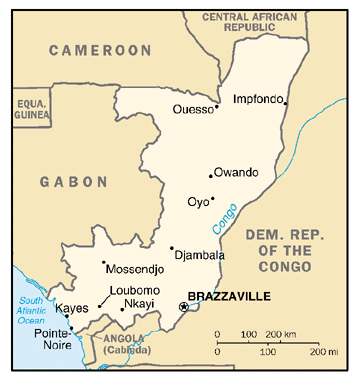
Congo (Brazzaville)(AF) and Congo Democractic Republic (Kinshasa)(AF):  The Republic of the Congo  also known as Congo-Brazzaville, Little Congo, or simply the Congo, is a in Central Africa. It is bordered by Gabon, Cameroon, the Central African Republic, the Democratic Republic of the Congo (formerly known as Zaire), the Angolan enclave province of Cabinda, and the Gulf of Guinea.These two countries are seasonally split--half lie above the Equator; half below the Equator. As you can see by the map, the two countries are neighbors. Sadly, both countries are beset by crushing poverty, corrupt and mismanaged governments and constant political unrest. Despite all this, both countries share tremendous ethnic and cultural pride which is reflected in their cuisine.

Congolese cuisine is based on starches such as the cassava root, corn, and plantains; green vegetables, insects, fish and, to a lesser extent, meat. The staple of cassava came from the Americas, and the Congolese grow this important tuber along with a wide variety of vegetables and peanuts.

Congo's staple food, the cassava plant, is not native to Africa, but was probably introduced from South America by the Portuguese 300 years ago. Cassava root is the source of tapioca!

Typical Congolese meals consist of a starchy food with sauce or stew. Cassava is the principal starch, particularly in rural areas. It may be replaced by rice or corn if they are available. These basic foods are served mostly as a thick stew or porridge, flavored with a spicy sauce. If they can afford it, people may add fish or meat to the stew.  http://www.cp-pc.ca/english/congo/eating.html and
http://www.congocookbook.com/staple_dish_recipes/fufu.html
Yams and plantains for fufu - banana leaves for fish
Marinate fish (I used Talapia) in onions, fresh lemon juice, cayenne, tomato and parsley
Cut and stack 3 banana leaves - place fish in center
Fold as you would a burrito

Tie with kitchen string
3 beautiful packets - 3 fillets each
Fufu - boil equal parts sweet potatoes and plantains til soft
Mash with potato masher-add a little butter
Cook packets on grill - my pit was perfect - or in oven
Open packets to reveal beautifully steamed fish!
The Congolese use their fingers to scoop up a ball of Fufu, then dip and scoop the fish - Divine!
 The Recipes

Liboké de Poisson (Fish in Banana-Leaf)

Leaf cookery is common throughout the world's tropical regions. In Central Africa, both whole fish and fish filets are cooked in leaf packets over grills or charcoal fires. Throughout the Congo River area, the Lingala word, Liboké (plural, Maboké) is often used to refer to this method of preparation; Ajomba (or Jomba) is the name nearer the Atlantic coast. Poisson en Paquet is French for Fish in Packet. Leaves of banana or marantaceae (or marantacee) plants give the food a certain flavor that will be missing if they are not used, however aluminum foil can be substituted. Outside the tropics, look for (frozen) banana leaves in International, Asian, and Latin American grocery stores


What you need
  • banana leaves
  • two to four pounds of fresh fish (either whole, or cut into filets, steaks, or pieces); in Africa freshwater fish are typically used
  • one or two onions, finely chopped
  • juice of one or two lemons
  • salt (to taste)
  • black pepper (to taste)
  • cayenne pepper or red pepper (to taste)
  • oil (just a spoonful)
  • one tomato, chopped and crushed (or canned tomatoes) (optional)
  • a few okra, chopped (optional)
  • a bunch of sorrel leaves (optional)
  • one Maggi® cube (crushed) or a spoonful of Maggi® sauce (optional)
What you do
  • If you are cooking a whole fish:
    Prepare a marinade by mixing together the oil, chopped onion, lemon juice, salt, black pepper, red pepper (and any optional ingredients you choose). Clean the fish, but leave the scales on, and cut a few gashes lengthwise on each side. Pour the marinade onto the fish and into the gashes. Let marinate in a glass dish for a quarter hour.
  • If you are cooking fish filets, steaks, or pieces:
    In a glass bowl combine all the ingredients (including the optional ingredients) except the fish and mix well. Add the fish and let marinate for a quarter hour.
  • Warm the banana leaves for a half-minute in a hot oven, or on a grill, or in a pot of boiling water. This makes them easier to fold. Remove the center rib of each leaf by cutting across it with a knife and pulling it off. Cut the ends off each leaf to form a large rectangle.
  • Fold the banana leaves to completely enclose the ingredients in a packet two or three layers thick. (Use something like the burrito folding technique. Depending on how many leaves and how much (or how many) fish you are cooking you may want to make more then one packet. Use oven-proof string to tie them closed.)
  • Cook the packets over an outdoor grill, or in an oven. (If using an oven, you may want to place some aluminum foil under them to catch drips.) Turn them every ten minutes. After half an hour carefully open the packet and check to see if the fish is cooked, if it is not, close the packet and continue cooking.
  • Serve in the packet with some Baton de Manioc (also called Chikwangue) or Fufu.
Note: the banana leaves should not be eaten.

Fufu

Fufu (Foo-foo, Foufou, Foutou, fu fu) is to Western and Central Africa cooking what mashed potatoes are to traditional European-American cooking. There are fufu like staples all over Sub Saharan Afiica: i.e., Eastern Africa's Ugali and Southern Africa's Sadza (which are usually made from ground corn (maize), though West Africans use maize to make Banku and Kenkey, and sometimes use maize to make Fufu). Fufu is a starchy accompaniment for stews or other dishes with sauce. To eat fufu: use your right hand to tear off a bite-sized piece of the fufu, shape it into a ball, make an indentation in it, and use it to scoop up the soup or stew or sauce, or whatever you're eating.

In Western Africa, Fufu is usually made from yams, sometimes combined with plantains. In Central Africa, Fufu is often made from cassava tubers, like Baton de Manioc. Other fufu-like foods, Liberia's dumboy for example, are made from cassava flour. Fufu can also be made from semolina, rice, or even instant potato flakes or Bisquick. all over Afria, making fufu involves boiling, pounding, and vigorous stirring until the fufu is thick and smooth.

  • two to four pounds of yams (use large, white or yellow yams; not sweet potatoes, not "Louisiana yams"); or equal parts yams and plantain bananas
  • one teaspoon butter (optional)
What you do
  • Place yams in large pot and cover with cold water. Bring to a boil and cook until the yams are soft (maybe half an hour). Remove pot from heat and cool yams with running water. Drain. Remove peels from yams. Add butter. Put yams in a bowl (or back in the empty pot) and mash with a potato masher, then beat and stir with a wooden spoon until completely smooth. This might take two people: one to hold the bowl and the other to stir.
  • Shape the fufu into balls and serve immediately with meat stew or any dish with a sauce or gravy. To eat it, tear off a small handful with your fingers and use it to scoop up your meat and sauce.
Final Assessment: We LOVED this meal! It was extremely easy to prepare, and took very little time. I didn't have sorrel, so substituted parsley from my garden. I also omitted okra, only because I'd forgotten it. The yam and plantain fufu was delicious, and a very nice deviation from rice, which we've eaten a lot of while cooking in Africa. We'll mos def eat this again.