-->

Thursday, January 27, 2011

Day 100! Macedonia - Macedonian Honey Cookies - Up Next, Madagascar


Day 100! Only 93 countries left to go! Who woulda thought it? To celebrate this personal blogging milestone, I decided that Macedonian honey cookies were just the thing. It snowed another foot last night, so after shoveling snow on top of snow, these simple, beautiful cookies, accompanied by a steaming cup of raspberry tea were not only perfect, but well earned (like I really need an excuse to indulge, right?).

Eaten as is, these cookies are delicious, especially if you don't like overly sweet cookies, which I don't.  The combination of ground walnuts, honey and cinnamon make for a crunchy, rich, heavenly flavor that puts any gooey, cookie to shame. However, if you're feeling like you want to do something elegant and special, dip them in a little bittersweet chocolate for a doubly decadent, sophisticated confection.


Located in the Central Balkan Peninsula, Macedonia and shares iMacedonia is independent country (Republic of Macedonia) borders with Greece, Kosovo, Serbia, Bulgaria, Greece and Albania. Macedonia is a successor state of Yugoslavia, from whom it gained independence in 1991.

Cuisine in Macedonia is heavily influenced by Mediterranean customs, especially Greek and Turkish cooking. Middle Eastern, and to a lesser degree Italian and Hungarian traditions are also prevalent. Because the climate is relatively warm, a huge variety of herbs, fruits and vegetables are grown in Macedonia. Dairy, wine, cheese and coffee are also abundant in this beautiful, fertile land.


Macedonian Honey Cookies (Adapted from an original recipe on Macedonain food)

1 egg
1/2 cup ground walnuts
3 1/8 cup flour
1/2 cup oil
1 cup sugar
3 Tbsp. honey
1 tsp. baking powder
1 tsp. vanilla extract
1 1/2 tsp. cinnamon

Confectioners sugar for dusting and/or 4 ounces 60% cacoa bittersweet chocolate (melted)

Preheat oven to 375 F.
Using a stand mixer fitted with a paddle beater, beat the egg and sugar until the sugar is dissolved and the mixture is light yellow and double the size (about 5 minutes).
Add the oil and honey and mix until combined. Add the walnuts, vanilla, cinnamon and continue mixing until combined.
Mix the baking powder with the flour and add it to the egg mixture and mix. If the batter seems a little dry, add just a teaspoon or two of water. Turn the dough out onto a floured surface and knead it a few times until the dough is soft.
Working on a floured surface, roll the dough out to 1/4" thickness.
With a cookie cutter or cup, cut shapes and place on greased (or use parchment paper) cookie sheet, leaving space between the cookies as they expand while baking.
Bake them about 15 minutes until golden brown around the edges.
Cool the cookies. You may eat them as are, sprinkle with confectioners sugar or dip in chocolate.

Final Assessment: Deluxe, Divine, Delectable.

Tuesday, January 25, 2011

Day 99! Luxembourg - Moules a la Luxembourgeoise (Mussels, Luxembourg Style) Up Next, Macedonia


Want to know all the things that went wrong this week? Our pipes froze, my windshield was smashed to smithereens by falling ice, we have ice dams on our roof, hence water seeping into the ceilings, and my dryer and printer both seem to be on the way out...So what's a girl to do? Cook mussels in tons of garlic and Riesling wine! Turns out, everything thing will be just fine. This dish was easy to prepare, smells heavenly and is fun to eat. It's wonderful served alongside a green salad and crusty French bread. If you're inclined, a dry Riesling or Pinot Grigio are a great accompaniment. Traditionally, this meal is served with Pomme Fritte, or French Fries, but I'm trying to be good after my last sinful bout with bacon.

Located in Western Europe, Luxembourg is bordered by Belgium, France and Germany. Luxembourg is ruled by a Grand Duke, and is the only remaining Sovereign Grand Duchy in the world. The country boasts the world's highest GDP per capita, making for a thriving and vibrant economy. Culturally, Luxembourg is a mix romance Europe and Germanic Europe. It is also a tri-lingual country where German, French and Luxembourgish are spoken.

Cuisine in Luxembourg is heavily influenced by French and German traditions, and more recently, by  the Italian and Portuguese. Cooking tends to be less fussy than French cuisine and reflects a simple, yet sophisticated peasant style. Pastries, cheese, fish from local rivers, smoked ham, game such as hare and wild boar as well as broad beans and potatoes are all common fare.


Moule a la Luxembourgeoise

2-3 lbs. mussels, scrubbed and de-bearded (farm raised are fine)
2 leeks, washed and finely chopped
1 carrot, scraped and finely chopped
1 onion, peeled and finely chopped
2 shallots, peeled and finely chopped
1 large celery stick (with leaves) finely chopped
1 bunch flat leaf parsley, finely chopped
5 cloves garlic
1 1/2 cups Riesling wine
5 Tbsp. butter
salt and freshly ground pepper to taste
1 sprig of thyme, finely chopped
2 sprigs tarragon, finely chopped

Pick over the cleaned mussels and throw away any that are not closed. Place in a bowl of water and wash the mussels further rubbing them together and changing water several times.

Melt 4 Tbsp. butter in a large pot, add the onion and shallots and saute for about 4 minutes, or until soft, then add the remaining vegetables along with the thyme and tarragon. Pour over 1/4 of the Riesling, bring to a simmer and cook for 15 minutes.

In the meantime, crush the garlic and mix in a mortar with the remaining butter. Season this mixture with a little freshly-ground black pepper.

Increase the heat under the vegetable mix to high, add the washed mussels then pour in the remaining wine. Cover securely with a lid and every two minutes stir to ensure the mussels do not catch the base of the pan. Continue cooking, stirring regularly, for three minutes then spring with freshly-chopped parsley and serve immediately.

Final Assessment: AWESOMENESS! I'm going to use the left over broth and vegetables to make soup tomorrow.

Friday, January 21, 2011

Grapefruit Radicchio Salad Recipe

Grapefruit Radicchio Salad
As part of my resolution to eat more salad, I am trying to buy ingredients that can be turned into a salad without too much fuss. You practically need to buy tender salad greens every day so I've been buying crunchy vegetables and hardier leafy greens instead. On my shopping lists these days are daikon radish, carrots, celery, fennel and red radishes. Shaved thin, they all are great salad fixings. I also buy avocados, and some citrus fruit to gussy up my salads.

I made this particular salad one night when I wasn't hungry enough for dinner and I had very little in the house to cook anyway. I loved it so much that I keep going back to the store to buy the same ingredients so I can make it again! It's based on my very faulty recollection of the Grapefruit Jicama Salad from the Slanted Door.

I particularly like the combination of Napa cabbage and radicchio. They are sturdy crunchy greens, (ok, technically not green at all!) but less hardy than red or green cabbage. I used O Clementine olive oil. It's just lovely, but any citrus infused olive oil would be fine if you have some on hand, otherwise use any extra virgin olive oil you like. The salad also includes candied pecans. I have made candied pecans hundreds of times and this is the easiest method of all.


Grapefruit Radicchio Salad Serves 2 as an entree or 4 as a starter

Ingredients

2 cups radicchio, shredded
1 cup Napa cabbage, shredded
1 grapefruit
1/4 cup pecans, chopped
2 teaspoons sugar
1/8 teaspoon smoked paprika
2 Tablespoons olive oil or citrus flavored olive oil
1 teaspoon white wine vinegar

Instructions

In a small frying pan combine the pecans with the sugar and a teaspoon of water, cook over medium-high heat, stirring constantly. When the sugar gets very brown take the pan off the heat and sprinkle the nuts with a pinch of salt and the smoked paprika, stir and let cool in the pan, making sure the nuts are separated from each other so they don't clump together.

Toss the radicchio and cabbage in a bowl. Peel the grapefruit using a knife to remove all the pith. Cut between the membranes to remove only the segments and drop them into the bowl with the salad. Using your hands, squeeze the remaining juice out of the grapefruit membranes and core, onto the salad. Add the olive oil and vinegar and toss. Top with the cooled candied pecans. Serve immediately.

Enjoy!

Thursday, January 20, 2011

Day 98! Lithuania - Lasineciai Lithuanian Bacon Buns- Up Next, Luxembourg


Yes, it's true, I l-o-v-e, love bacon. After all my recent pontificating about eating less meat, I couldn't resist this Lithuanian recipe for Bacon Buns. I mean really, if I have to fall off the veggie wagon, let it be to eat crispy bacon. Add caramelized onions, wrap the mixture in a butter-rich, egg-based yeast dough, bake to golden brown perfection and well, all the remorse one typically feels after blowing a lofty resolution is virtually non-existent. I refuse to repent.


Once the largest country in Europe, Lithuania is the southernmost of the three Baltic states. Lithuania sits on the Southeastern shore of the Baltic Sea and borders Latvia, Belarus, Poland and the Russian enclave of Kaliningrad. This country is the first Soviet Republic to declare independence after being occupied by both the Soviet Union and then Nazi Germany.


Lithuanian's cool climate is perfect for growing barley, potatoes, rye, beets, greens and mushrooms. Cuisine in Lithuania is influenced by Polish, Ukrainian, Scandinavian, Hungarian and Romanian traditions. Dumplings, donuts, crepes, pork and sausages are all enjoyed by Latvians in the beautiful Baltic country.


Lithuanian Bacon Buns (Adapted from Lithuanian recipes)

Filling
1 1/2 lbs bacon
1 large sweet onion

Dough
2 cups milk
1/2 pound butter
1 tsp. salt
1 Tbsp. sugar
1 pkg. yeast
5 eggs
7-8 cups flour
yolk of 1 egg for glaze

Dice onion and bacon into very small, uniform pieces. In a large heavy skillet, saute bacon till it starts to crisp up and add onion. Continue cooking until onions are deep golden brown (do not burn!). Pour off some of the grease as you cook if needed.

Meanwhile, in a 2 quart saucepan, heat milk, butter, sugar and salt to 120-130 degrees F until butter is melted.
Pour off 1/2 cup of this mixture and dissolve the yeast in this 1/2 cup.
Beat eggs and add slowly to remaining warm milk mixture.
Add dissolved yeast.
Pour entire mixture into bowl of a stand mixture and attach a paddle.
Stir in sifted flour and beat vigorously. Add more flour very gradually if needed. Dough should be quite sticky, but not wet.
Cover dough with a towel and let it rise in a warm place for about 2 hours.
Punch down risen dough and refrigerate over night.
Next day, roll out the dough to a thickness of about 3/8 inch. The dough is very soft, so use lots of flour while rolling out.
Using a biscuit cutter or glass, cut rolled dough into rounds about 3-inches in diameter.
Place a tablespoon of the bacon mix in the center of each round and fold the sides of the circle over the bacon. Use your fingertips dipped in water to seal the edges if needed.
Place buns on lightly greased cookie sheet or parchment paper and allow the dough to rise again - about 2 hours if the dough is cold, 30-45 minutes if warm.
Preheat oven to 325F.
Mix one egg yolk with 2 Tbsp. water and brush the top of each roll with the yolk mixture.
Bake buns in the oven for 15-20 minutes.

Final Assessment:  This is a very rich dough, and of course, the addition of bacon makes it even more so. After making the first batch, I was instructed by the dudes in my house to "add more bacon!" which I did. These were delicious, sweet and savory rolls my kids scoffed down. I'm thinking they might be even better in the morning when the bacon flavor has permeated the rolls....we shall see!


Wednesday, January 19, 2011

Day 97! Liechtenstein - Apple Fritter Rings - Apfel Ring Krapfen - Up Next, Lithuania


I have never flambéed anything before, and wow was torching these Apple Fritters fun! I let my son Tim, a.k.a. Sparky, due to his extreme boyish propensity for Big Bertha rockets, fire crackers, bonfires and flames of most any kind, put the match to the pan. It's probably a good thing that I had the camera in front of my face, otherwise I would certainly have lost my eye lashes. I just love family cooking projects!

The recipe I chose didn't specify which type of apple to use, so I tried  Cortland and Golden Delicious. While the Cortland tasted great, it was more like eating applesauce than a fritter. Should you chose to try this recipe, I suggest using Golden Delicious which is both, well...delicious and firm enough to keep its shape and texture during the frying and flambé process.

So I'll bet you're wondering where Liechtenstein is. Located in Central Europe, Liechtenstein is a doubly land locked Alpine country that borders Switzerland and Austria. It's the only Alpine country to be located totally in the Alps. Interestingly, Liechtenstein is the smallest, yet richest German speaking country and boasts the highest gross domestic product per person in the world.

Cuisine in Liechtenstein is heavily influenced by it's Swiss and Austrian neighbors, as well by French traditions. Dumplings, cheese, pork, bacon, schnitzel, tomatoes, apples and pears are commonly eaten in this country. Cinnamon, vanilla, fruit filled pancakes and pastries make up an impressive array of deserts.


Apple Ring Fritter - Apfel Ring Krapfen (Adapted from Celtnet)

7/8 cups flour
pinch of salt
1/2 cup white wine
1 egg, separated
1 tsp. butter, melted and cooled
4 apples, peeled, cored and cut into thick rings
butter for frying
1/8 cup Cognac

Sift together the flour and salt into a bowl. Add the white wine and combine to form a thick batter then stir in the egg yolk and melted butter. Beat the egg white until stiff, then fold into the batter.

Heat the clarified butter in a frying pan, dip the eggs in the batter, to coat, then add to the pan and fry on both sides until golden. Pour over the alcohol and set alight. Serve the fritters as soon as the flames have died down.

Final Assessment: Who doesn't love a desert that's lit on fire?! Browned to perfection in butter and sprinkled with a little powdered sugar, this makes a lovely, not too sweet desert any time!

Saturday, January 15, 2011

Day 96.5 - Winter Micro Greens with Maple Balsamic Dressing


Yesterday was such a pearl of a day. My friend Meg hooked me up with a bag of some of the most spectacular winter field greens I've ever seen from the Natick Organic Community Farm. Then I went to visit Hopestill Farm in Sherborn, owned an operated by my friend Richard Robinson, where he picked me a beautiful bag of baby spinach. Truly, with 20" of snow on the ground, these greens were like winter jewels.

With delicate greens like these, a simple dressing is all you need. In fact, a squeeze of lemon or a little extra virgin olive oil would probably be just fine. But the recipe that follows is a family favorite and my daily go-to dressing, inspired by my sister who lives in Vermont, and by my Mom who taught me everything I know about good, honest cooking.  It was perfect for these greens...so much so, that after I shot the pictures this morning, I had the salad for breakfast!

Here's the thing - this dressing is as easy and quick to make as opening a bottle of slimy store bought salad dressing, but without all the preservatives, calories and food coloring. Admittedly, there are some decent brands on the market, but I think that once you try this recipe, you'll only turn to the bottled stuff in moments of deep dressing desperation.


A quick disclaimer about the measurements for this dressing. I never measuring anything - I pour a little, taste a tad, season a smidgen and adjust a bit...I've tried to give you close to exact measurements, but your preference for sweetness, tangyness and seasoning will dictate which proportions you want to use. Go with what I've listed here, but tweak it to your personal taste!

Maple Balsamic Dressing

2/3 cup extra virgin olive oil
1/4 cup good quality balsamic vinegar
3/4 Tbsp. maple syrup
1 Tbsp. coarse grain mustard
Juice of 1/2 lemon
sea salt and freshly ground black pepper to taste

Add all ingredients in a bowl, cup or cruet and whisk to emulsify. Taste for seasoning and correct as desired.

Somebody tell me what function my son's belt actually has!?

Friday, January 14, 2011

Day 96! Libya - Shorbat bil Hoot (Fish Soup) with Kammon Hoot (Spice Paste) - Up Next, Liechtenstein


Friday.....Yay! Tonight's Libyan meal was easy to prepare, healthy and smelled as good as it looked. The use of chili peppers and kammon hoot (spice paste - recipe below), make this a uniquely spicy and exotic tasting soup.  I loved the addition of orzo to the soup, and the homemade fish stock really kicked up the flavor factor which my family enthusiastically endorsed. Okay - my younger boy did cook up 3 Boars Head hot dogs 20 minutes later, but the rest of us were perfectly happy with big steaming bowls of soup and crusty bread.

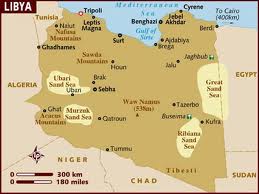
Libya is a North African country located on the Mediterranean Sea. It boarders Egypt, Sudan, Chad, Niger, Algeria and Tunisia (a country that's in the news today due to civil unrest). The 4th largest country in Africa and 17th largest in the world, Libya enjoys relative wealth due to large petroleum reserves and moderately low population. Interestingly, Libya is the only country in the world whose solid green national flag has no symbols or decorations on it.

Cuisine in Libya is heavily influenced by Mediterranean and North African traditions as well as Italian cooking, as it was once an Italian colony. Onions, tomatoes, lamb, chicken, fish, chilies, cayenne peppers, saffron, chick peas, cilantro and parsley are all used in Libyan cooking.


Fish Soup (Shorbat bil Hoot) - (Adapted from Celnet)

2 pieces of firm sea fish (I used Haddock because it was on sale)
1 onion, chopped
1 1/4 cups tomato sauce
1 Tbsp. tomato puree
1 tsp kammon hoot (recipe below)
3 cloves garlic, minced
1/2 tsp. salt
1/2 tsp. red chili, finely chopped
1/2 tsp. ground tumeric
2 Tbsp. orzo pasta
2 Tbsp. flat-leaf parsley, chopped
2 Tbsp. cilantro, chopped
Olive oil to fry

Bring 6 cups of lightly-salted water to a boil, add the fish then cover, take off the heat and set aside for 10 minutes.

Meanwhile, heat the olive oil in a pan and fry the onions until soft and translucent (about 8 minutes), then stir-in the garlic, tomato sauce, tomato puree, chillies, turmeric and kammon hoot. Fry for 2 minutes then add the fish stock. Bring to a boil, reduce to a simmer, and cook for about 8 minutes.

With a slotted spoon remove the fish from the poaching water. Strip the fish meat from its bones then flake the flesh and add to the tomato-based sauce. Now add the remainder of the fish poaching liquid to the pot and bring to a boil. Stir-in the pasta and stir to combine.

Add the parsley and coriander and stir to combine then take the pan off the heat, cover and set aside for about 6 minutes. Ladle into warmed soup bowls and serve immediately accompanied with bread.

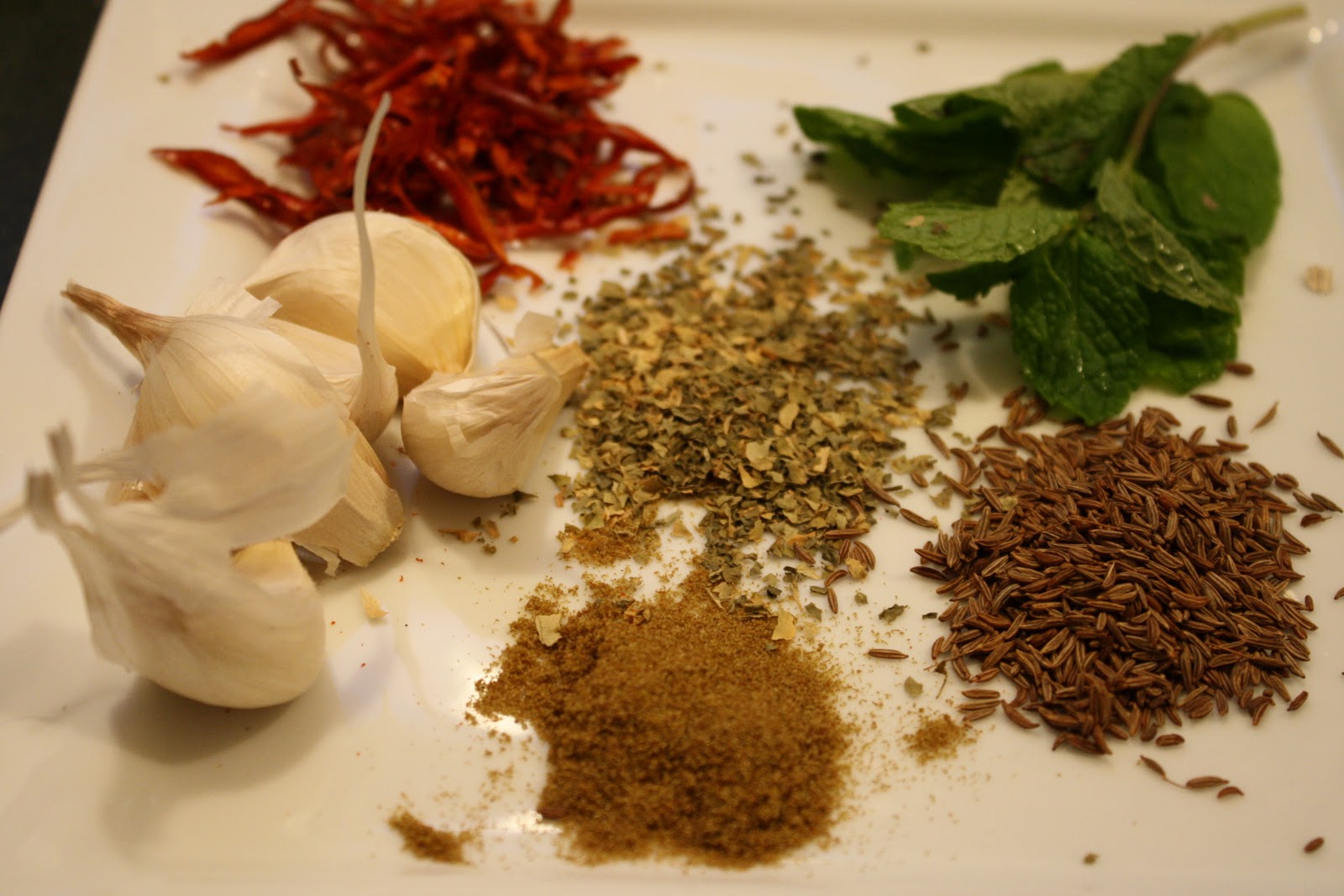
Kammon Hoot

1 tsp. caraway seeds
1 tsp. mint
3 tsp. cumin seeds
5 garlic cloves
1 tsp. coriander seeds
15 dried hot red chillies

Cover chillies with hot water and let stand for 15 minutes until soft. Place chillies and remaining ingredients in a blender and puree until smooth using water that the chillies soaked in to thin it. The sauce should have the consistency of thick paste. If you place the paste in a jar and cover with a thin film of olive oil, it will keep a couple of months in the refrigerator.