-->

Friday, June 10, 2011

Day 139! Togo - Gari Foto with Corned Beef - Up Next Cote d'Ivoire


Taste of Africa Dish # 5 : Gari Foto with Corned Beef ~ A cooking collaboration with Taste of Africa, which will help more than 20 West African companies connect to buyers across the U.S. in this year's Fancy Food Show in Washington, DC - July 10-12. Funded through USAID's West Africa Trade Hub and Southern Africa Global Competitiveness Hub, the Association Africa Agro-Export and other partners.

Gari, a fine, coarse granular flour of varying textures, is made from the grated cassava tuber. A staple in West African cuisine, gari is comparable in importance to potato or wheat flour in Western countries. Versatile and satisfying, gari is eaten daily as a snack, with vegetables soups or stews, and meat or fish by millions of people worldwide. Gari can be combined with coconut, akara (bean cakes), smoked fish, peanuts, vegetables or even sweetened with a little sugar and evaported milk. It is said that you cannot claim to have eaten West African food if you haven't eaten gari. So, since the month of June is dedicated to cooking and eating West African dishes, gari it is!

Many, many thanks to my friend Kafui  Djonou (West African Trade Hub, Business Development Coordinator, based in Senegal) for sharing this traditional West African recipe of Gari Foto (pronounced "fotor" in the Ghanaian language of Twi). Gari Foto is one of the most popular dishes in West African countries,  so for purposes of authenticity, I'm sticking with the traditional ingredients Kafui suggested. If you prefer a vegetarian meal, fish or more vegetables could certainly be added for a lovely protein-packed dish. If you're trying this for the first time and are familiar with polenta, the texture of gari is quite similar.

Officially the Togalese Republic, Togo is bordered by Ghana, Benin, Burkina Faso and extends south to the Gulf of Guinea. Blessed with a tropical, sub-Saharan climate and good growing seasons that support agriculture, Togo's primary source of revenue produces a wide variety of produce and staple foods. Although the official language is French, many other languages such as those in the Gbe family are spoken. Like many African countries, Togo endured centuries of slave trade by Europeans who exploited the country and it's people for their own economic gains. Following years of rule by Germans and French, the country finally gained independence from France in 1960.

Cuisine in Togo is a blend of African and French traditions. In general, Togolese cooking is spicy and colorful and consists of poridges, stews, ground maize (pates or akume), rice, fish, meat, spinach, okra, tomatoes, fufu,edeme, onions, plantains and cassava. Groundnut, goat, palm oil and smoked fish are also enjoyed.



Gari Foto with Corned Beef
(Epsilon, West African Exporter of gari, cassava and corn starch, soya oil, soya oil cake, pineapple and mango fruit juice)

1 large onion, chopped
2 large fresh tomatoes, chopped
1/2 pound fresh corned beef, finely chopped (canned can be substituted)
2 Tbsp. tomato paste
6 Tbsp. vegetable oil
2 eggs, beaten
2 cups of gari
3/4 cup water
1/4 tsp. salt
1 tsp. fresh crushed ginger (or 1/2 tsp. dried ground ginger)
1 Tbsp. fresh parley, chopped
1 Tbsp. fresh cilantro, chopped
1 clove garlic, chopped or crushed
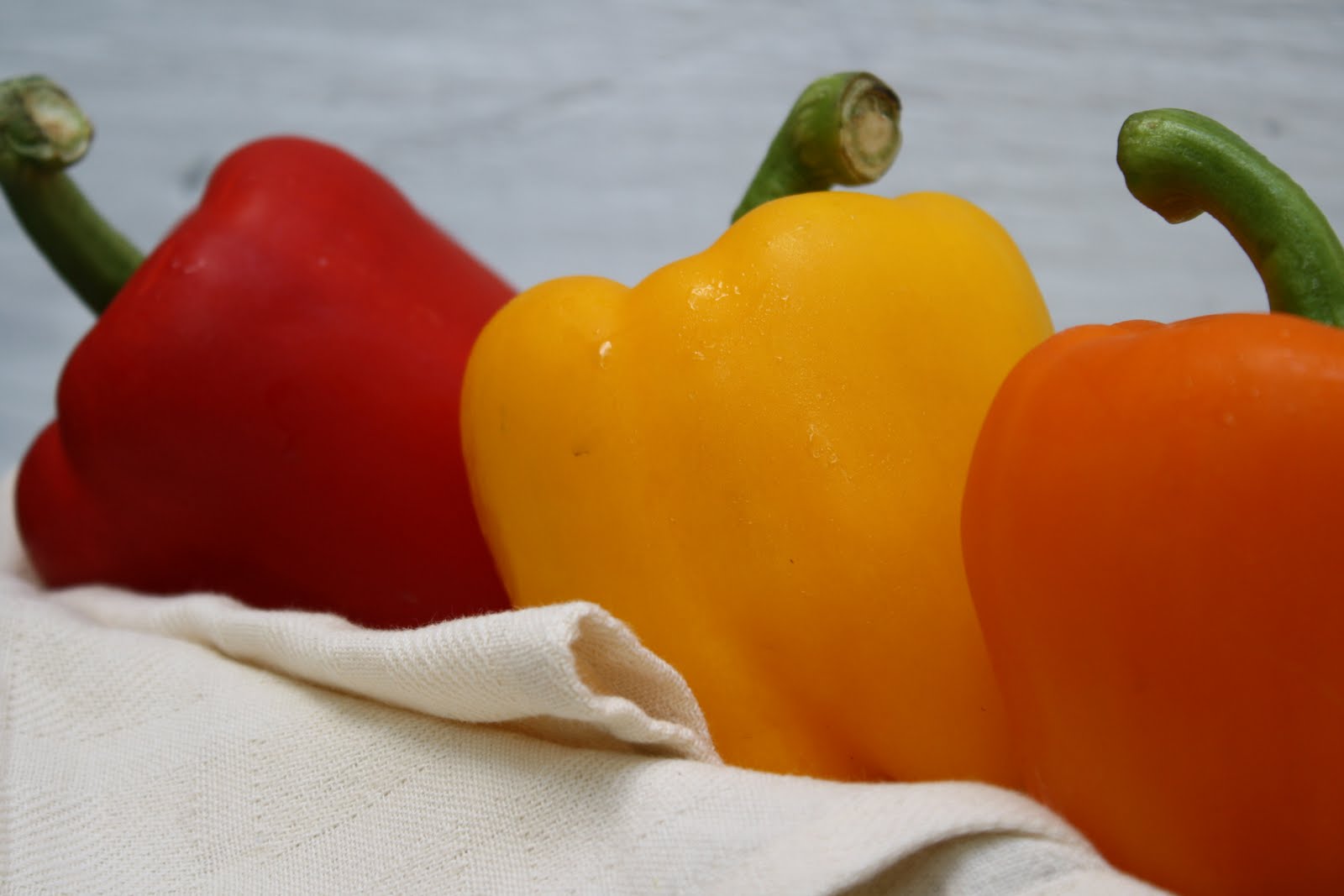
1 sweet pepper, chopped.
1 medium sized carrot, chopped
1 spring onion, chopped
Fresh crisp lettuce, shredded

Pour gari into a clean bowl. Add salt to water and sprinkle over gari while mixing it with a rubber spatula or spoon until gari is evenly moistened. Cover and set aside while you prepare sauce.
Heat oil in a pan. Fry tomato paste for 5 minutes. Add chopped onion, crushed garlic, ginger, pepper and tomatoes. Cover and simmer for 15 minutes, stirring constantly. Add corned beef and allow to cook for 10 minutes  Add salt and other spices to taste.
Stir-fry chopped spring onion, sweet pepper and carrots in a teaspoon of oil. Whisk in beaten eggs and scramble for 3 minutes.
Mix gari evenly with corned beef mixture until it completely blended with not lumps. If the mixture seems a little too thick, add water gradually as needed until the stew reaches the desired consistency.
Mix in vegetable/egg stir-fry and garnish with shredded lettuce.
Serve with corned beef sauce or hot pepper sauce and a side of fried plantains.


(C) 2010-2011, What's Cooking in Your World?/ Sarah Commerford/All Rights Reserved


Wednesday, June 8, 2011

Day 138! Cameroon- Sauteed Chicken with Lemon, Ginger, Dried Mango and Pineapple - Up Next, Togo


Taste of Africa Dish #5 : Sauteed Chicken with Lemon, Ginger, Dried Mano and Pineapple ~ A cooking collaboration with Taste of Africa, which will help African companies connect to buyers across the U.S. in this year's Fancy Food Show in Washington, DC - July 10-12. Funded through USAID's West Africa Trade Hub and Southern Africa Global Competitiveness Hub, the Association Africa Agro-Export and other partners.

I love dried fruit in any way, shape or form. Tonight's dinner pairs chicken, lemon, ginger and dried fruit for a dish that is both beautiful and full of complex flavors. I chose to use dried mangoes and pineapple as these are two of the excellent products exported from Cameroon, but any dried fruits could easily be substituted. Should you chose to make this dish, be sure to buy sugar and preservative-free dried fruit, as the stuff that's loaded with high fructose corn syrup is not suitable for cooking.

The country of Cameroon is a West African country, slightly larger in size than the state of California. Cameroon shares it's borders with Chad, Central African Republic, Congo, Gabon, Equatorial Guinea, Gulf of Guinea and Nigeria. First settled by the Pygmy, then Bantu and Sudanic people, Cameroon's history is tragically significant for having been a source of slave trade for centuries. Following a long series of brutal coups and political strife, the country finally won it's independence in the 1990's. This extremely diverse country also boasts abundant natural resources such as agriculture, mining, forestry, oil and gas reserves.

Staple foods in Cameroon include cassava, yams, rice, potatoes, maize, beans, millet, onions and tomatoes. Abundant fishing provides fish as the main source of protein. Cameroon's national dish is Ndole, which is made from a very bitter leaf that is not available in any U.S. markets that I know of. The leaves require a complex and fascinating process of washing to reduce their bitter flavor. Kale or spinach could be substituted, but would surely change the taste of the dish.


Sauteed Chicken with Lemon, Ginger, Dried Mango and Pineapple (Adapted from cooks.com)
(Biotropical, West African Exporter of dried mangoes, pineapple, pawpaw, banana, jack fruits, ground ginger, passion fruit and ginger syrups)

2 tsp. olive oil
3 lbs. bone-in chicken pieces, skinned and trimmed of fat
Salt and freshly ground pepper to taste
1-1/2 cups mixed dried (unsweetened, organic) mango and pineapple
1 tsp. finely minced ginger
2 Tbsp. fresh lemon juice
1 tsp. fresh thyme, finely chopped
2/3 cup chicken stock or water
2 lemons, thinly sliced and seeded

In a large non-stick skillet, heat oil over medium heat. Add chicken and cook for about 6 minutes per side, or until the chicken is browned.
Remove chicken, season with salt and pepper to taste and set aside.
Add 1/3 cup chicken stock or water to the skillet, and stir to loosen and dissolve any brown bits stuck to the pan.
Stir in the dried fruit, lemon juice, ginger and thyme. Place the chicken over the fruit in the pan and baste with the sauce.
Arrange the lemon slices over the chicken.
Cover and cook over medium-low heat for 30 minutes, or until the chicken is no longer pink inside and the fruit is tender. Watch carefully, to avoid scorching the fruit.
Remove the lemon slices and place them around the edge of a serving platter.
With a slotted spoon, transfer the chicken and fruit to the platter.
Add 1/3 cup chicken stock or wter to the skillet and boil for 1 minute.
Taste and correct for seasoning.
Pour over the chicken and serve alongside couscous.

Sunday, June 5, 2011

Day 137! Burkina Faso - Hibiscus Tea Sorbet - Up Next, Cameroon


Taste of Africa Dish #3 : Hibiscus Tea Sorbet ~ A cooking collaboration with Taste of Africa, which will help more than 20 West African companies connect to buyers across the U.S. in this year's Fancy Food Show in Washington, DC - July 10-12. Funded through USAID's West Africa Trade Hub and Southern Africa Global Competitiveness Hub, the Association Africa Agro-Export and other partners.


Many people know of the hibiscus flower, but few know of the exotic hibiscus flower's edible properties. Sold candied, dried in bulk or as tea, this flower is quite versatile and rich in vitamin C and curative properties. Known as Bissap in West Africa, hibiscus is served hot, cold or sweetened. With very little effort, this dried flower produces a beautiful crimson color and delicate flavor - and, with the addition of sugar, a pinch of salt and a squeeze of fresh lemon and lime, it becomes a delicious, elegant sorbet, perfect for a hot summer day or as the finishing touch to a special meal.

A landlocked country in West Africa, Burkina Faso is surrounded by Mali, Niger, Benin, Togo, Ghana and Cote  d'Ivoire. Formerly the Republic of Upper Volta, the country was renamed in 1984, and translates to "land of the upright people" in Moore and Dioula, the county's two major languages. Burkina Faso's climate is largely tropical, with distinctive rainy and dry seasons. The country's regions consist of the dry tropical savanna, the Sahel, and the fertile region to the south. Some of Burkina Faso's natural resources include, but are not limited to:  limestone, marble, phosphates, pumice, salt and some gold.

Cuisine in Burkina Faso is representative of traditional West African cooking and is based around such staple foods as sorghum, millet, rice, maize, peanuts, potatoes, beans, yams and okra. Chicken, eggs, and fresh water fish provide the main source of protein. Export items currently being produced include, dried fruits, dry and roasted sesame seeds and cashew nuts, hibiscus, dried ginger and beeswax.


Hibiscus Tea Sorbet
Ste. Nouvelle Ranch Du Koba BF: Exporter of dried mangoes and banana, sesame, cashew nuts, hibiscus, ginger and bees wax

2 cups water
1 cup unsprayed dried hibiscus flowers
1 cup sugar
1 Tbsp. fresh lemon juice
1 Tbsp. fresh lime juice

Bring water to a boil in a small non-reactive sauce pan.
Stir in hibiscus flowers and remove from heat, then let steep 15 minutes.
Pour hibiscus tea through a fine mesh sieve into a metal bowl, pressing hard on the flowers with a the back of a spoon, then discarding the flowers once pressed.
Return tea to the sauce pan and bring to a boil with sugar and a pinch of salt, stirring until the sugar is dissolved.
Transfer mixture to a metal bowl, then set bowl in larger bowl of ice water and stir until cold, 10-15 minutes.
Stir in lemon and lime juices and freeze in ice cream maker according to manufacturer directions.
Transfer sorbet to an airtight container and freeze to harden, at least 2 hours.
This sorbet is fairly soft due to the high sugar-water ratio.

 (C) 2010-2011, What's Cooking in your World/Sarah Commerford/All Rights Reserved

Day 136! Ghana (again) Grilled Tilapia and Yam Chips - Up Next, Burkina Faso

Taste of Africa Meal #2: Ghanaian Grilled Tilapia and Yam Chips~A cooking collaboration with Taste of Africa, which will help African companies connect to buyers across the U.S. in this year's Fancy Food Show in Washington, DC - July 10-12. Funded through USAID's West Africa Trade Hub and Southern Africa Global Competitiveness Hub, the Association Africa Agro-Export and other partners.


Rice is a cook, a soccer player. She's female. She's a sweet drink, too. Rice is many countries.
Zakaria Hassan, Somalian Immigrant  
(Telling Room Anthology~Portland, Maine)

Tonight's Ghanian dinner comes directly from my friend Kafui Djonou (West Africa Trade Hub, Business Development Coordinator), who patiently talked me through the recipe and preparation over Skype yesterday. How cool is it that two women living continents apart can connect through the universal language of food and wonders of technology? The only thing that would have been better would have been to be with Kafui in her kitchen in Senegal.


Officially known as The Republic of Ghana, the country's name means  "The Warrior King". Located in Western Africa, and formally known as the Gold Coast, Ghana shares borders with Cote d'Ivoire, Burkina Faso, Togo and the Gulf of Guinea. Ghana won it's independence from the UK in 1957 and was the first Sub-Saharan nation to do so. A fact many may not know is that Ghana is the second largest producer of cocoa and is home to La Volta, the world's largest man-made lake.

Cuisine in Ghana varies by region and ethnic group, but generally relies on starchy foods such as rice, fufu (pounded cassava and plantain, cocoyam or yam, and one of my favorites), and banku (cooked and fermented corn or cassava dough). Red-Red, a mixture bean stew made with palm oil and fried ripe (yellow) plantains is also very popular. Other foods and dishes include, but are not limited to: ground nut soups and stews, yams or plantain ampesi (boiled yam or plantain) served with kontomire (palva sauce made with cocoyam leaves and palm oil ),  Tilapia, smoked fish and crayfish. Onions and tomatoes are often used as ingredients and can be replaced by dishes such as kenkey and jollof rice.. Spices such as thyme, bay leaves, ginger and hot sauce made of chili peppers season and heat the food with rich flavors.


Grilled Tilapia and Yam Chips
(E. Darkey and Associates, Limited - West African Importer of frozen yams, special banky and kokonte mix, special porridge and special dry powdered pepper)


1-1/2 pounds Tilapia fillets
1 Tbsp. ground onions
1Tbsp. ground garlic
1 Tbsp. ground ginger
2 large yams or sweet potatoes, thinly sliced ( in Ghana, yams are sliced like fries or on the diagonal)
Salt and pepper to taste
Tomatoes and onions for garnish
Hot pepper sauce for dipping
Peanut oil for frying

Season Tilapia fillets with ground onions, garlic,  ginger and salt and pepper to taste, then refrigerate for a few hours to marinate before grilling.
Lightly grill Tilapia fillets on a gas, charcoal or wood grill, about 3 minutes on each side You may wish to use a grilling basket to make turning the delicate fillets easier.
Next, thinly slice yams or sweet potatoes (a sharp knife or mandolin works well).
Heat about an inch of peanut oil in a heavy skillet on medium high heat.
Fry in hot oil until edges of chips begin to curl.
Drain on paper towels or brown paper bag.
Salt lightly and place in a heavy brown paper bag in a 200 F oven for 10 minutes to crisp up.
Serve immediately with hot sauce.


 (C) 2010-2011, What's Cooking in your World/Sarah Commerford/All Rights Reserved


Thursday, June 2, 2011

Day 135 Nigeria (again) - Lemon & Ginger Infused Honey - Up Next, Ghana


Without a doubt, the best part of any journey is the unexpected detour -- the one that takes you off course and makes you want to ditch that pesky GPS to unleash your inner explorer. Just ask my kids who give me endless grief for all the "adventures" I've inadvertently taken them on. Woonsocket, Rhode Island, just 53 miles south of our intended destination comes to mind.

So it is with great pleasure that I embark on a completely unexpected, way exciting partnership with Taste of Africa, which promotes African food products and cuisine to consumers and to the food industry worldwide. Funded  through USAID's West Africa Trade Hub and Southern Africa Global Competiveness Hub, the Association Africa Argo-Export, and other partners, Taste of Africa seeks to make authentic African food easily accessible and easy to prepare.

Through its pan-African partnerships and offices in Washington, DC, New York, Ghana, Senegal and Botswana, Taste of Africa is able to facilitate linkages and trade between African specialty food exporters and international improters/investors. For more information, check out Taste of Africa or contact the West Africa Trade Hub directly.

Working in collaboration with the West Africa Trade Hub, I will be cooking dishes from 5 West African countries during the month of June. Some will be authentic to the countries, while others will use specialty export items from identified vendors. Each recipe will be included in the Taste of Africa African Pavilion Directory Cookbook to be show-cased at the Fancy Food Show (African Pavilion) in Washington D.C. from July 10-12, 2011.


A huge shout-out and thank you to Joe Lamport, West Africa Trade Hub, Communication and Outreach Coordinator (Ghana); Kafui Djonou, West Africa Trade Hub, Business Development Coordinator (Senegal); Elitza Barzakova, West Africa Trade Hub, Market Linkage Manager (USA) and Jean Pierre Rousseau, West Africa Trade Hub, Project Manager (USA).

Located in west Africa,  Nigeria is a Federal Constitutional Republic comprised of 36 states and its Federal Capital Territory, Abuja. Nigeria shares its land borders with the Republic of Benin, Chad, Cameroon and Niger. Its coast lies on the the Gulf of Guinea on the Atlantic Ocean. Nigeria is the most populated country in the world, as well as the most populated country in the world where the majority is Black. Roughly half of the population is Muslim, the other half being Christian with a small percentage practicing traditional religion. Nigeria is a geologically and anthropologically important country, as human habitation dates back to 900 BCE.

Cuisine in Nigeria is primarily traditional, but has important influences from Portugal, India, Persia, Great Britain and North Africa. Food is generally spicy and deeply seasoned using chili peppers, ginger, herbs, palm, coconut and peanut oil. Jolof rice, tomatoes, onions, cassava, spinach, peppers, and coconuts are all staples in the Nigerian kitchen. Goat, chicken, fish, stews and skewered meats are just some of the foods enjoyed in the country.


Lemon and Ginger Infused Honey
(Arise and Shine International Limited-West African Exporter of pure honey, honey with ginger and garlic mix) 

3 lemons, seeded and thinly sliced
2 inch piece of ginger root, peeled and thinly sliced
1-1/2 cups honey
sprig of mint (optional)

Wash a clean one quart container.
Place sliced lemons, alternating with ginger slices in bottom of jar.
Top off with sprig of mint (optional)
Fill with honey.
Let sit overnight before serving.
Refrigerate for up to two weeks.

Serving Suggestions: Use a tablespoon to add depth and richness to your favorite vinaigrette, drizzle over yogurt or granola, stir 2-3 Tbsp. into hot water or tea for a soothing herbal remedy for colds and sore throats.


 (C) 2010-2011, What's Cooking in your World/Sarah Commerford/All Rights Reserved