-->

Sunday, July 10, 2011

Day 149! Saint Kitts and Nevis - Curried Goat and Blackberry Jam Cake - Up Next, Saint Lucia


Our new kitten, Finn - not too sure about the ginger!
There are three things that must be known about tonight's meal representing Saint Kitts and Nevis: 1) I never, ever  pass up an opportunity to make curried goat, even if I've made it before, because it ranks among my top 10 favorite dishes. I simply can't help myself. 2) I made a teeny, little mistake while making the Jam Cake...I neglected to add the jam into the batter, thinking instead that it was meant to be icing between the two cake layers. But by the time I'd realized my error, the cake was already in the oven. However...sometimes mistakes lead to great things, and despite this little glitch, jam between two layers of spicy, dense cake can't be a bad thing - and it wasn't. I'll just have to make it again. 3) If you choose to make the curried goat, buy more than the recipe calls for, as once you've trimmed the fat/gristle and bone from the meat, you have far less that you thought you had, which you'll want to avoid because seconds are a no brainer.

Located in the Leeward Islands, Saint Kitts and Nevis is a federal two island nation in the West Indies.There are twodistinct islands in this Federation, namely St Kitts and Nevis. The smallest sovereign state in the Americas in area and population, the country was discovered by Christopher Columbus in 1493 when the island was populated by the Kalinago Indians. Due to the island's strategic location in the sugar trade, it was colonized by the Europeans in l 1623. Editorial comment from which I usually refrain: aside from "discovering", CC was an evil dude who mostly did way more harm than good to the land and people he exploited for his own gain.

Many of Saint Kitts and Nevis' culinary traditions have their roots in West African cooking as a result of the slave trade population brought in during the Colonial era. The country's rich soil supports a wide range of fresh produce and agriculture, as well as plentiful seafood from the Caribbean and Atlantic Oceans. Goat and poultry are staples and are prepared using typical West Indian spices such a curry, chutney, ginger and garlic. Some of the more popular dishes are Goat Water Stew, which uses bread fruit, pawpaw and droppers (dumplings) - which I would have made, but I couldn't get bread fruit today; Pelau, Conkies (like tamales but with a sweet potato filling, wrapped in banana leaves), rum and tropical fruit.

 Curried Goat - Buy more than the recipe calls for - curry, onions, ginger and chutney flavor the gravy


Jam Cake


Curried Goat (Adapted from Caribbean Choice)

2 lbs. goat, trimmed and cut into cubes
1/4 cup chopped onion
2 Tbsp. turmeric
2 cloves garlic, chopped
1/2 tsp. hot pepper sauce
2 tsp. grated ginger
1/2 cup red wine
1/4 tsp. cooking oil
1/4 cup tomato paste or ketchupt
1 tsp. curry powder
1/2 tsp. salt
1 tsp. vinegar
3 Tbsp. chutney

Season the meat with garlic, salt, vinegar and hot pepper. Refrigerate and allow to marinate for at least one hour or overnight.
In a large heavy dutch oven, heat oil, add curry powder, then meat and brown.
Add remaining ingredients. Cover and simmer over a low flame until meat is tender - about 1-1/2 hour. Adjust seasoning and serve on a bed of rice.

Saint Kitts and Nevis Style Black Berry Jam Cake (Adapted from Caribbean Choice)

1-3/4 cups flour
1-1/2 cups sugar
1 cup canola oil
1 cup buttermilk
1 cup seedless blackberry jam
1 tsp. baking soda
1 tsp. baking powder
1 cup chopped walnuts
1 tsp. cinnamon
1 tsp. nutmeg
1 tsp. allspice
1 tsp. vanilla extract
1/2 tsp. ground cloves
1/2 tsp. salt
3 eggs

Mix all ingredients together in the bowl of a stand mixer fitted with a paddle (or by hand with a wooden spoon).
Pour into greased and floured 9-inch cake pans and bake at 350 F for 30-35 minutes

Caramel Icing (optional)

1 stick sweet, unsalted butter
1-1/2 cups brown sugar
1/3 cup cream
1-1/2 cups confectioner's sugar

Combine the first 3 ingredients ans bring to a boil for 2 minutes. Sift the confectioner's sugar and beat into the mixture.

Final Assessment: How do I love thee, West Indian cuisine? I wish we had left over curry goat, because I'd have it for breakfast and lunch tomorrow. The cake - except for the jam confusion, it's a wonderful spice cake, of which there's only one piece left after a hoard of hungry teenagers stormed though the house an hour ago.


(C) 2010-2011, What's Cooking in Your World?/ Sarah Commerford/All Rights Reserved 

Friday, July 8, 2011

Day 148! Rwanda - Pinto Beans and Potatoes with Tilapia and Plantains - Up Next, Saint Kitts


As so often happens when thinking about the next country I'll be cooking in, which tonight is Rwanda, out of the blue comes along something completely unexpected that gives new meaning and context to the meal and the country it represents. Maybe it's because this journey is teaching me to look and listen more deeply, maybe it's karma or perhaps it's just pure coincidence. Whatever the case, this week's New Yorker  showed up on my door step featuring a phenomenal piece entitled "Climbers" (Letter from Rwanda), by Philip Gourevitch. The story spotlights several young Hutu and Tutsi athletes from the Team Rwanda cycling team, who literally cycle to escape the past psychological atrocities of Rwanda's genocide as a way to live in the present and hope for the future. Gasore Hategeka, one of the riders Gouorevitch spotlights, is a former street kid (his entire family was killed when he was 10), whose single minded drive to earn money for a bicycle by growing potatoes and hauling them on a wooden bicycle is both inspirational and humbling. So, in honor of the Climbers (they earned the capital "C") and Rwanda, tonight's meal will be Pinto Beans and Potatoes - simple, life-sustaining fare for a small country striving to heal from unimaginable violence and genocide.

Located in central eastern Africa, just a few degrees south of the Equator, Rwanda is bordered by Uganda, Tanzania, Burundi and Democratic Republic of the Congo. Geographically, Rwanda is mountainous to the west, has savannas to the east and many lakes throughout the entire country. Despite having a temperate climate, the country has two distinct rainy and dry seasons. In large part due to the ravages of genocide, the Rwandan population is young and lives in mostly rural areas. Hutu, Tutsi and Twa are the predominant social groups and share a relatively common culture and language. Governed by a presidential system, Rwanda's economy relies mainly on subsistence farming, such as potatoes, and coffee and tea exports.

Because Rwanda is a small country, it does not support a vast variety of agricultural goods. Bananas, plantains, pulses, sweet potatoes, beans, cassava and potatoes (which were introduced to the country by German and Belgian colonists), as well as porridge are typical staples. Traditionally, the Tutus and Twa were hunters and farmers and had diets high in vegetables, while the Tutsi worked pastures and consumed more milk and dairy. Most Rwandan diets, regardless of their geographical locale,  consist of very little meat and protein, although those who live near lakes have access to fish such as tilapia.

Pinto Beans - Rinse and Soak


Yellow Plantains - Slice and fry in peanut oil


Potatoes - Cube and add to beans


Celery - Chop and add to beans


Onions - slice thinly and saute until golden brown 


Talapia - Lightly fried


Pinto Beans with Potatoes (Adapted from a recipe by Twinomugisha Charles)

2 cups dried pinto beans, rinsed and soaked overnight
3 large potatoes, chopped
2 celery stalks, chopped
1 tsp. salt
1 onion, thinly sliced
peanut oil for frying

Cover pinto beans with enough water to cover and bring to a boil.
Reduce heat and simmer until they are just tender.
Add potatoes, celery and salt and more water if necessary. Cook over low heat.
Just before the potatoes and beans are tender, gently fry the onions in a heavy skillet.
Using a slotted spoon, add the beans to the skillet and stir until well mixed and heated through.
Serve over hot rice or porridge or alongside plantains, spinach and talapia.

Final Assessment: This was a filling and surprisingly tasty meal. I love beans of all varieties, and combined with potatoes and onions, the dish can stand alone. I fried up some plantains and talpia for dinner, and meant to add spinach, but I forgot it! This makes an excellent vegetarian dish that we all found satisfying. Oh, and I added peri-peri hot sauce on the side to spice things up :)


(C) 2010-2011, What's Cooking in Your World?/ Sarah Commerford/All Rights Reserved 


Thursday, July 7, 2011

Bison Tagliata Recipe

Bison Tagliata
It's Summer and thoughts turn to grilling. Me? I'm in an apartment with no grill, but that doesn't stop me from eating stuff people normally grill like steak. Just as I warmed up to grass fed beef, I'm pretty much head over heals for bison steak and I have a nifty way of cooking it sans grill. It tuns out what we think of as American buffalo is really bison. What's on the buffalo head coin? A bison. There are water buffalo (for that crazy good mozzarella) and the African Cape buffalo (not so sure what they are good for) but American buffalo is really bison so let's go with that.

Bison is much lower in fat than beef, high in iron, slightly lower in cholesterol. Recently I heard Ted Turner speak at the Sustainable Foods Institute, part of the Monterey Bay Aquarium's annual event, Cooking for Solutions. It turns out, he is crazy about bison. He owns the largest herd in the world and has opened a chain of bison restaurants. He loves the romance of the prarie. But the environmental arguments for bison are even stronger. Bison are grazing animals and part of the ecosystem that helps keep grasslands healthy. Because it is so lean, cooking it fairly gently is important so it stays tender and flavorful.

I like a certain Italian way of eating steak called "tagliata" which just means sliced. Instead of a big hunk of meat you get slices of perfectly cooked medium rare steak over a spicy arugula salad drizzled with extra virgin olive oil, some shavings of Parmesan or Pecorino and a wedge of lemon. Using smoked olive oil is a great way to get the taste of the grill without, you know, a grill. It's expensive but a tiny bit goes a long way, and it doesn't lose pungency if you store it properly (in a cool dark place).

This is a super lazy summertime meal, it requires very little cooking, and it's a one dish meal to boot. My biggest complaint about bison is the difficulty in finding it at the store. Ground bison is getting more common but steaks are much harder to locate. I got samples of bison steaks from High Plains Bison, you can purchase from them online or find more producers at Bison Central.

Bison TagliataServes 4

Ingredients

2 ribeye or strip bison steaks
Arugula
Chunk of Parmesan or Pecorino
1 lemon
Extra virgin olive oil
Salt and freshly ground pepper

Instructions

Preheat oven to 350 degrees. Heat a heavy cast iron skillet over high heat. Pat the steak dry and season generously with salt and pepper. Sear the steak in the skillet, cooking for 2-3 minutes on each side, until brown. Transfer the skillet to the oven and roast for 5 minutes. Remove from the oven and transfer steak to a cutting board and cover with foil and let stand for 10 minutes.

Arrange arugula on 4 plates, shave cheese using a vegetable peeler and place strips of cheese on the salad. Slice the steak against the grain and lay strips on the salad. Drizzle with a tiny bit of olive oil. Serve with a lemon wedge.

Enjoy!

Wednesday, July 6, 2011

Day 147! Russian Federation - Russian Black Bread and Caviar - Русский черный хлеб - - Up Next, Rwanda


I got up at 5:00 a.m. this morning to make Russian Black Bread. It's not so much that I like to be up at uber-early hours of the morning, although do I love the hush of dawn before the demands of the day come calling. The truth is that the mere thought of turning my oven on to bake anything once the sun rises and the temperature climbs to 90+ degrees( as predicted today), is nearly unbearable. But more unbearable would be not to make this bread at all, as I've been literally dreaming about it for a few days now.

There are virtually thousands of interesting Russian dishes I could have made - Beef Stroganoff, Chicken Kiev and Veal Orloff to name but a few of the more popular offerings. But there's something about the ancient ritual of making bread that both sustains and defines a country and its people that I am completely drawn to. According to many sources, there is no bread more important to the Russian culture than Black Bread. During times of economic hardship, this bread has historically meant the difference between life and starvation. Conversely, during years of prosperity, Russian Black Bread is a symbol of wealth and celebration. And, of course, no matter our language, cultural or ethnic barriers, breaking bread together unifies and nourishes us.

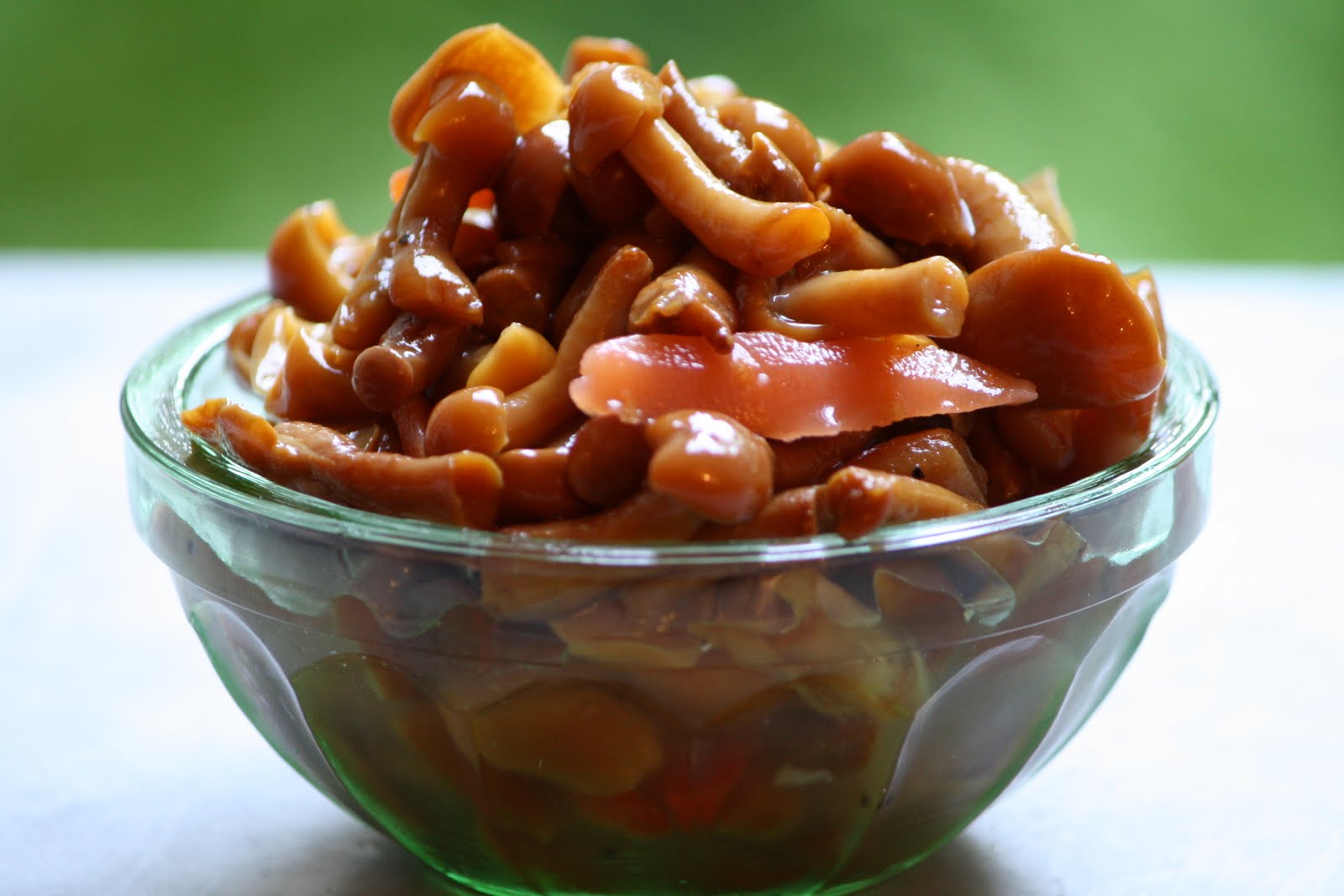
This dense and aromatic bread can be eaten fresh from the oven, or  buttered with dishes of  pickled cucumbers, mushrooms, tomatoes; sliced salami, Russian bacon, marinated herring or potatoes. Lightly buttered and topped with caviar alongside ice cold vodka or champagne, versatile Russian Black Bread also makes a lovely and elegant appetizer.  So 5:00 a.m. Russian  Black Bread it is. Just me, the birds and a mammoth cup of my favorite fair trade very dark roast (but not burned) coffee -  Blend X Witches Brew .  Besides the awesome name, the stuff gives me official Wonder Woman powers. And while we're on the subject of super heroes, shout-out to my super-foodie-friend, Ben for stopping by Culinary Delights, a Russian Deli that specializes in Eastern European food in Natick, to pick up a jar of brined cucumbers and mushrooms to accompany my bread. Oh, and I splurged and bought domestic Golden Whitefish Caviar  from a local company, The Little Pearl - I had to do it!

Known as both Russia and the Russian Federation, this northern Eurasian semi-presidential republic encompasses 83 federal subjects. The largest country in the world, Russia borders the following countries (all of which I have cooked in!): Norway, Finland, Estonia, Latvia, Lithuania, Poland, Belarus, Ukraine, Georgia, Azerbaijan, Kazakhstan, China, Mongolia and North Korea. Its maritime borders are the Sea of Okhotsk, United States and Bering Strait. Russia is also home to the largest reserve of mineral and energy and forest resources. Russia's vast lakes equal approximately 1/4 of the world's fresh water resources as well. Russia's history dates back to 3rd century AD when Slavs settled the rugged land. In 988, Orthodox Christianity and the rise of Byzantine Empire further established the country, and by the 18th century, the Russian Empire had expanded to become one of the largest empires in the world's history. Russia's role as an allied power in WWII, as well as it's super-power recognition for technological advances, makes it a powerful and important country in the world's economic and political landscape.

Russian's vast multi-cultural history finds its roots in peasant food that was farmed and produced in primarily rural and harsh climates. Cold tolerant greens and vegetables such as cabbage, beets and mushrooms (to name only a few) are commonly cooked with. Fish, poultry, smoked meat and game make up the majority of protein sources. Berries, honey, rye, wheat, barley and millet are used to make bread and pastry, some which have French and Austrian influences. Sour cream, dill and parsley season Russia's many varieties of hot and cold soup. Dumplings and pancakes and many, many varieties of pickled vegetables are served as appetizers or simply along side a hearty meal.


Russian Black Bread (Adapted from Bernard Clayton's New Complete Book of Breads)
(Served with pickled cucumbers, marinated mushrooms and caviar...nom!)

Ingredients
2 packages active dry yeast
3-1/2 cups all-purpose white flour
4 cups pumpernickel or medium rye flour
1 Tbsp. kosher salt
2 cups whole bran ceral
2 Tbsp. crushed caraway seeds
1 Tbsp. each instant coffee and dried minced onion (or powder)
1 tsp. crushed fennel seeds
2-1/2 cups water
1/4 cup each cider vinegar and dark molasses
1 square (1 ounce) unsweetened chocolate
1/4 cup shortening
1 tsp. cornstarch, mixed into 1/2 cup cold water

Two 8" cake pans, greased; or, if the dough is fairly stiff and will hold its shape, use 1 greased or non-stick cookie sheet.

Mixing and Kneading
  1. In the bowl of a stand mixer fitted with the paddle attachment, mix the yeast, 1 cup white and 1 cup pumpernickel or rye flour, salt, bran cereal, caraway, instant coffee, onion powder and fennel.
  2. In a saucepan, combine the water, vinegar, molasses, chocolate, and shortening. Place over low heat. When the liquid is warm (the chocolate and shortening need only be soft), add to the dry ingredients. Beat at medium speed with the flat beater for 2 minutes, scraping the bowl occasionally.
  3. Add 1 cup white and 1 cup rye flour. Beat for 2 minutes. Stir in 2 more cups rye and enough white flour to make a soft dough.
  4. Now switch the paddle attachment for the dough hook, working flour into the dough. Cover the mixing bowl with a clean towel and let it rest for 15 minutes.
  5. Next, turn the mixer on low, and knead bread with dough hook until smooth and elastic. If it seems a little sticky, dust it with a little flour. The dough should pull away and clean the sides of the bowl.
First Rising
  1. Place dough in a bowl, cover tightly with plastic wrap, and leave at room temperature until puffy and doubled in bulk (about 1 hour)
  2. Punch down the dough and turn out onto a lightly floured work surface. Cut the dough into 2 pieces and let the dough rest for 5 minutes. Shape each piece into a ball, flatten slightly, and place wither in the cake pan or on the cookie sheet.
Second Rising
Cover with wax paper and leave at room temperature until the loaves have doubled in bulk, 45 minutes.

Baking
  1. Preheat oven to 350 F about 20 minutes before baking.
  2. Bake for about 1 hour, or until a metal skewer inserted in the center of a loaf comes out dry and clean. When tapped on the bottom crust, it will sound hard and hollow.
  3. Meanwhile, prepare the glaze. In a small saucepan heat the cornstarch and cold water. Cook over medium heat, stirring constantly, until the mixture boils. Hold the boil for 1 minute, stirring all the while.
  4. When the bread is baked, remove from the oven and brush the loaves with the cornstarch mixture. place back in the oven for about 3 minutes, or until the glaze has set. 
  5. Remove from the oven, turn from the baking sheet or pan, and place on a metal rack to cool.
(C) 2010-2011, What's Cooking in Your World?/ Sarah Commerford/All Rights Reserved 

Sunday, July 3, 2011

Day 146.5 - Blueberry Tartlets with Lime Curd


A few months ago I picked up a set of sweet little tartlet pans at Williams-Sonoma. That store is seriously like crack to me - well, maybe not crack because I'm not into that - more like...cowboy boots, or strawberries or any one of the hundreds of things I must have. Which leads me to my latest lime obsession...in seltzer, squeezed over fish, in guacamole, in a margarita, in sorbet...the list goes on, but I won't. Suffice it to say, when I found this recipe, there was no question I would make it - so what if it's like 90 with matching humidity  - my hair will be way big, but my tartlets will be slammin'.

The combination of the zesty, tart, and rich curd with snappy blueberries and shortbread-like crust was divine and beautiful. I garnished the tartlets with mint, but you could use a dollop of whipped cream, candied lime or anything your heart desires. Plus, there's something special about having your own little tart for desert. It just feels extra decadent and magical -- and it looks gorgeous on the plate. Enjoy!

P.S If you don't have tartlet pans, you can use mini-muffin tins (which I also used because I only had 6 tartlet pans and the recipe makes 8).
Curd


Crust


Filling


Assembly


Blueberry Tartlets with Lime Curd (Adapated from epicurious.com - Bon Appetit, June 2002)

Curd
1/2 cup sugar
1/3 cup fresh lime juice
4 large egg yolks
5 Tbsp. unsalted butter, cut into 1/2-inch cubes
1-1/2 tsp. grated lime zest

Crust
1-1/2 cups all purpose flour
3 Tbsp. sugar
1/4 tsp. salt
1/2 cup (1 stick) chilled, unsalted butter, cut into 1/2-inch cubes
3 Tbsp (about) chilled whipping cream
1 large egg yolk

Topping
3 cups blueberries
1 Tbsp. sugar

Preparation
For Curd
Whisk sugar and lime juice in non-reactive heavy saucepan to blend. Whisk in yolks, then butter. Cook over medium-low heat until thick, smooth and just beginning to bubble, stirring constantly, about 8 minutes. Remove from heat. Mix in lime zest. Transfer to small bowl. Press plastic wrap onto surface of curd to keep skin from forming. Refrigerate until cold, at least 4 hours. (can be made 4 days ahead. Keep refrigerated).

For Crust
Blend flour, sugar, and salt in food processor 5 seconds. Add butter and cut in, pulsing, until mixture resembles coarse meal. Add 2 tablespoons cream and egg yolk. Pulse until moist clumps form, adding more cream by teaspoonful if dough seems too dry. Shape dough into log. Cut crosswise into  8 equal rounds. Press each round over bottom and up sides of  8 3-1/2x1-inch tartlet pans (or whichever size you have - the original recipe called for pans with removable bottoms, but I don't have any!) Pierce crusts with fork. Chill at least 1 hour and up to 1 day.

For Topping
Place 1/2 cup berries and sugar in heavy small saucepan. Using fork, mash berries coarsely. Cook mixture over medium heat until beginning to simmer, stirring often, about 5 minutes. Using rubber spatula, push as much of the mixture as possible through a sieve, set over a medium bowl. Mix remaining blueberries into strained berries. Set topping aside.

Preheat oven to 375 F. Bake tartlet crusts until lightly golden, pressing any bubbles with the back of a spoon, about 15 minutes. Cool completely on rack.

Spread curd in crusts. Spoon blueberry topping over. (Can be prepared ahead. Let stand at room temperature up to 2 hours or refrigerate up to 1 day.)

(C) 2010-2011, What's Cooking in Your World?/ Sarah Commerford/All Rights Reserved