-->

Tuesday, September 20, 2011

Alaska Diary Day Two

Alaska!
What a difference a day makes! I've never been as happy to see the sun as I was on day two of my Alaskan adventure. If it had stayed grey, I would have missed on some truly spectacular scenery.

XTRATUF
Even on sunny days, it's not a bad idea to wear the de rigueur Alaska footwear, Xtratuf boots.

salmon processor
In Cordova there are just three processing facilities (plus a 4th very small one) where the salmon is cleaned, cut and prepared to be shipped out. In the Summer kids from places like Slovenia, the Czech Republic and the Ukraine come to live and do the work American kids don't want to do. Even the roe is harvested and graded and prepared for export. Sport fisherman can bring their freshly caught fish in to be smoked or canned.

moose
You know you're in Alaska when a garage has a seaplane and moose hanging in it.

moose
Speaking of planes, I thought we would heading straight into grey, but that wasn't the case at all.

Sheridan glacier
A flight is the best way to see the varied terrain including mountains, marshes, inlets and glaciers.

Sheridan glacier
Especially the breathtakingly beautiful Sheridan glacier where locals go ice skating in the Winter.

Copper River
The next moment wilderness.

waterways
And a close up look at the waterways.

Cordova
The harbor, our hotel and town, all visible at once.

wild cranberries
On route to the airport, foraging for delectable wild cranberries just means pulling off the road.

car trouble
A drive through a deeper-than-expected puddle led to a stall and subsequent rescue from some locals who quickly got under the hood. Literally.

I was already a fan of Copper River salmon before this trip, but my appreciation for the people and the way of life in Alaska increased exponentially over the course of 48 hours there. Alaska gets under your skin. But if you can't come for a visit, enjoy Copper River wild salmon and know you are supporting a sustainable fishery and way of life for a special community of Alaskans who live in harmony with nature.

A huge thanks to Copper River/Prince William Sound Marketing Association for hosting me in Cordova. Please see Alaska Day One if you missed it...

MORE!
Post from Missy Trainer about our foraging for wild cranberries.

Monday, September 19, 2011

Alaska Diary Day One

Welcome to Cordova, a remote Alaskan town Southeast of Anchorage. The population is around 2,000 people (though it swells to around double that in the Summer during salmon season). The life of the town is tied to the Copper River. Salmon fishing is not just an important part of the economy but a way of life.

It's a place where you go for a hike instead of going to the movies and host a potluck instead of making dinner reservations and wear Xtratuf boots all year round. People fish, forage, hunt. And the annual festivals celebrate things like salmon, wild berries and fungus (at the fungus festival you can win a prize for the best mushroom themed decorated pair of Xtratuf boots!). There are scientists, fishermen and processors, environmental advocates and a whole lot of overlap between them all.

Cordova is also the home of the Copper River/Prince William Sound Marketing Association, Alaska's first regional seafood development association and host of my trip.

Cordova Harbor
"In Alaska, you are never more than 5 minutes away from being cold and wet," someone told me the night I arrived. And true enough, it was grey and drizzling when I landed on a connecting flight from Anchorage (you can only get to Cordova by flight or ferry).

stove
First thing after breakfast we head to the dining room of the Orca Adventure Lodge to meet our fishing guide. While we wait, what do we food bloggers get excited about? A massive 113 year old diesel powered stove named Bertha that we spy in the kitchen.

Chef Jeremy Storm
...and the engaging chef, Jeremy Storm, who told us about the challenges of shopping and cooking in a far off Alaskan outpost.

fishing
Intrepid food bloggers, we steeled ourselves and cast our lines. The zen of fishing is irresistible. You are at one with nature and catching a fish doesn't even matter. The only one that got pulled from the water by a neighboring fisherman got thrown right back in but it provided a little excitement all the same. My fish? He got away!

Copper River Fleece
Alaskan haute couture aka Copper River Fleece.

restuarant
Does this tell you how important restaurant culture is in Cordova? (note the spelling on the sign)

Baja Taco
I was told by a fisherman that the favorite wine in Cordova is "Take me to Hawaii!" I think most folks will have to settle for Baja Taco, even though it's only open during the Summer.

salmon tacos
The tacos are filled with Copper River salmon, but of course.

Pat McGuire
When not catching fish or eating them, you can print with them, especially if you get instructions from local gyotaku artist Pat McGuire.

Note:The unwitting model in the photos is none other than Joelen of What's Cooking Chicago?, another blogger on the trip.

A huge thanks to Copper River/Prince William Sound Marketing Association for hosting me in Cordova. If you enjoyed this post, check out Day Two...

Sunday, September 18, 2011

Vodka Sauce


Marinara sauce gets some much-needed zing with the addition of vodka. Balance the flavor out with some cream, cheese, and crisped pancetta. This dish reminds us of one served at our favorite Italian restaurant in Philadelphia. It takes us right back to the small, cramped, romantic dining room of the restaurant we visited often in our college youth. A dinner out and a moonlit stroll back to campus was perfection.

Ingredients
Marinara Sauce:
1/8 cup olive oil
½ onion, chopped
2 garlic cloves, minced
28 ounce can crushed tomatoes
2 bay leaves
¼ teaspoon salt
¼ teaspoon pepper
¼ cup chopped basil leaves

Vodka Sauce:
Marinara sauce (see above)
¾ cup vodka
½ cup heavy cream, room temperature
½ cup Pecorino Romano cheese
1 tablespoon butter
3 ounces pancetta, cubed
2 cups frozen peas
salt and pepper to taste
1 pound pasta (we like penne)

Instructions
This recipe is broken into two stages.  First, we make a simple marinara sauce.  Once complete, we transform it into a rich and decadent vodka sauce.

For the marinara sauce... In a medium pot, heat oil over medium heat. Add onions and garlic and sauté about 8 minutes, or until the onions are translucent and soft. Add the crushed tomatoes, bay leaves, and salt and pepper. Simmer over low heat for an hour. Add basil leaves then take off heat and cool.

In a large sauté pan, combine the marinara sauce and vodka. Simmer over low heat for about 20 minutes, or until the mixture reduces by a quarter. Meanwhile, cook pasta according to package directions. Crisp the pancetta cubes in a nonstick pan. Once the marinara and vodka mixture reduces, add the pancetta cubes and drippings from pan, heavy cream, Pecorino Romano cheese, butter, and peas. When the peas have cooked, adjust salt and pepper to taste. Serve with cooked penne pasta.

Day 162.5 - Buttery Pear Pine Nut Cake


This simple, rich cake has been the go-to cake in my family for as long as I can remember. It's one of those cakes that can be put together at the last minute, topped with whatever fruit you happen to have on hand with 100% guaranteed awesome results - no matter your baking ability.  It's so easy to assemble, that once you've made it a few times, you'll have the recipe memorized, which is when the experimentation and fun really begins. My mother makes it using little prune plums (which I believe is the original recipe), and I have made it with everything from peaches, to pineapple to today's choice, pears. When I use pears, I like to top them with a little cinnamon, a sprinkling of sugar and pine nuts. Happy Sunday!

Start with firm, ripe pears

Six ingredients  - easy, right?! (not shown, pinch of salt and vanilla)

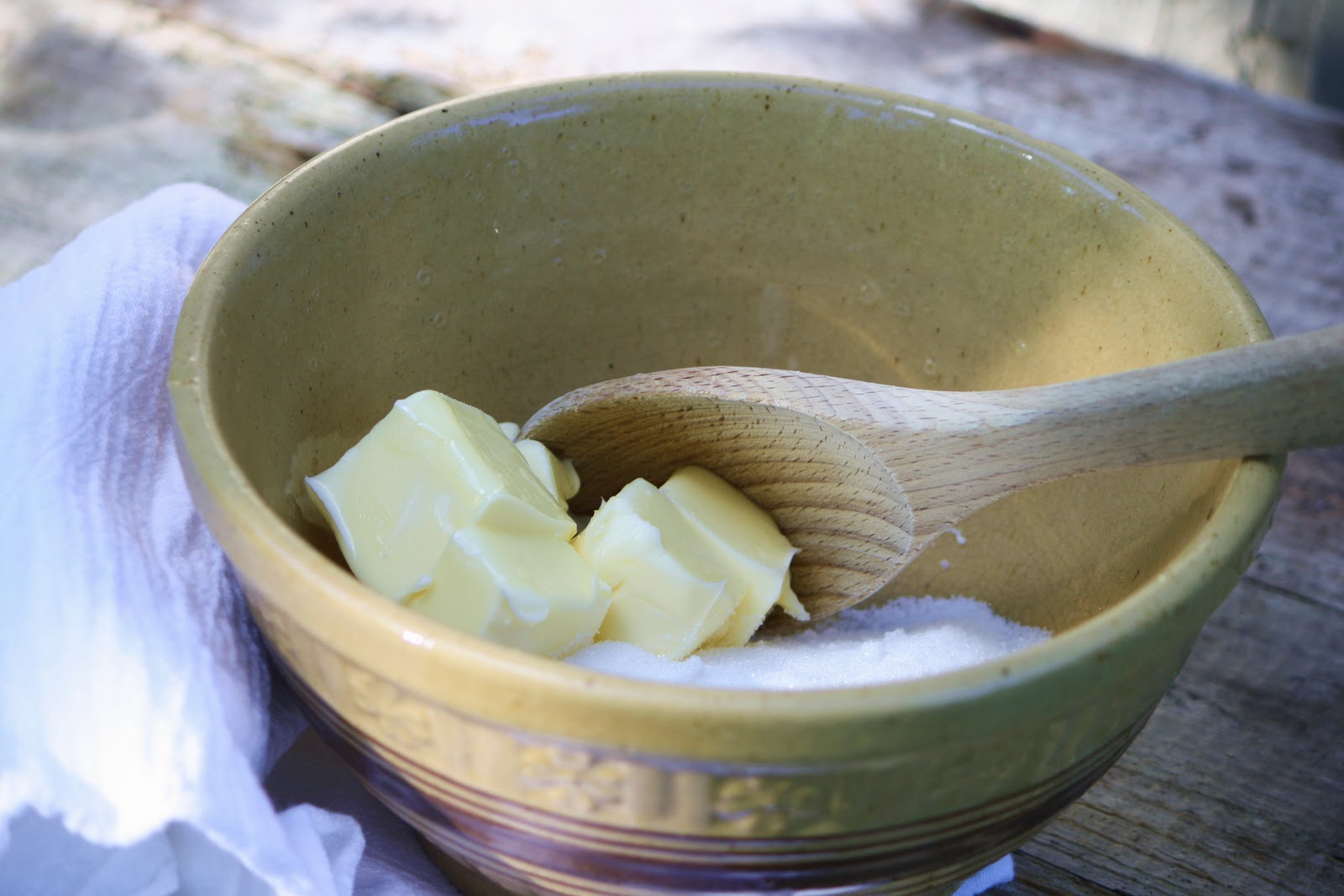
Cream butter and sugar with a wooden spoon - no need for a mixer

Add eggs and mix well

 Core and slice pears, then fan them out on top of the batter


Squeeze half a fresh lemon on the fruit to keep it from discoloring (gives it flavor too)

Sprinkle with sugar and top with pine nuts

Now skip dinner and go eat cake

Buttery Pear Pine Nut Cake


1 cup flour
1 cup sugar
1 stick sweet unsalted butter, softened
1 tsp. baking powder
Pinch of salt
2 eggs
1 tsp. vanilla
Italian prune plums, pears, peaches, apples or pineapples...or any fruit you like!
Fresh lemon juice
Pine nuts (optional)

Preheat oven to 350 F.
In a bowl, cream butter and sugar until fluffy. Add eggs and vanilla and mix well.
Add flour, baking powder and salt to butter mixture, and blend until creamy.
Spoon into 9-inch greased cake pan (batter will be very thick)
Smooth the top and arrange fruit on top.
Squeeze 1/2 fresh lemon on fruit (to keep it from discoloring)
Sprinkle with cinnamon and sugar.
Top with pine nuts (optional, if using pears)
Bake for 45-50 minutes (depending on how juice fruit is), or until a toothpick inserted in the center comes out clean.

Serve warm or at room temperature.

© 2010-2011, What's Cooking in Your World? Sarah Commerford/All Rights Reserved

Saturday, September 17, 2011

(Not Really) Moroccan Chicken & Lentils Recipe

Not Moroccan Chicken
Hunger ChallengeThis might be my favorite Hunger Challenge recipe. My apologies for it being brown on brown on brown, but trust me, it is delicious. On a bed of earthy and mildly spiced lemony lentils rests sweet roasted onions--some soft and some chewy--and tender roast chicken with crisp skin. It's is a combination of two different Bon Appetit recipes, but modified pretty significantly because I didn't have all the ingredients necessary. The technique for pan roasting the chicken thighs is a good one though I had to adjust it to keep the chicken from overcooking.

Beans and legumes like lentils are a very economical way to stretch a budget and more expensive ingredients such as fresh vegetables and meat or cheese. My chicken thighs were over 6 ounces each, so one per person was plenty, but if you need more for bigger appetites by all means double the number of chicken thighs. I baked this dish in the toaster oven, you may need to cook it a little longer if you use a conventional oven. I'm not sure how Moroccan the original recipe is. My version is undoubtedly even less Moroccan which accounts for he admittedly goofy name.

A few other tips for saving money when it comes to cooking and shopping:

* Canned beans are more than dried beans. Cook things like chicken broth, beans and rice ahead of time and keep them in the refrigerator all week and use them as you need them.

* Look for vegetables that are in season and on sale. Compare the price to frozen vegetables especially for things like spinach and peas.

* Soups and stews like chili are easy ways to save, but you may get tired of eating soft food. Make some crunchy raw salads with carrots or beets to add variety.

* Scour the "ethnic" food aisles for bargains. Sometimes spices and even staples like rice can be cheaper there.

* Cook double portions and you'll have something to eat on days when you don't have the time to cook.

* Buy in bulk. Instead of buying a jar of spices and bags of dried fruit and nuts, buy just a few teaspoons or tablespoons.

* Price out "value packs." The chicken I bought was only 99 cents a pound, but most packages were at least four pounds.

* Utilize ingredients that add flavor, texture and visual appeal to your meals, but don't cost a lot such as fresh cilantro, green onions and toasted bread crumbs.

Not Really Moroccan Chicken & Lentils

$2.09 for 2 servings (double the chicken for bigger appetites)

Ingredients

1/4 lb brown lentils .32
3 cups water
salt

2 chicken thighs, bone in 1.60
1/2 onion, sliced .20

2 Tablespoons olive oil .40
Juice of 1/2 lemon .17
1/2 teaspoon chile powder
1/4 teaspoon cinnamon .05
1 garlic clove, minced .05
Chopped cilantro to garnish .10 (optional)

Instructions

Preheat toaster oven to 450 degrees. Combine water and 1/4 teaspoon salt in a saucepan over high heat. Add lentils; bring to boil. Cover, reduce heat and simmer until lentils are tender, about 20 minutes. Drain well; rinse with cool water and drain again. In a mixing bowl combine the olive oil, lemon juice, chile powder, cinnamon and garlic. Add the lentils and toss. Season with salt to taste. Make a bed of lentils on each plate that you will serve the chicken on.

Season chicken with salt, pepper. Heat a cast-iron skillet over high heat until hot. Place thighs in dry skillet, skin side down, and cook 2 minutes. Reduce heat to medium; continue cooking until fat renders and skin is golden brown, about 5 minutes. Flip and cook for another 5 minutes. Flip again so skin side is down and tuck sliced onions into the skillet, between the pieces of chicken. Transfer to the oven and cook 12 minutes. Check the skillet occasionally to make sure the onions are not burning and stir as necessary. Flip chicken so skin side is up; continue cooking until skin is crisp and meat is cooked through, about 5 minutes longer. Chicken is done when it reaches the internal temperature of 165 degrees. Remove from the oven. Place onions on the lentil salad and chicken on top of that. Garnish with chopped cilantro.

Friday, September 16, 2011

Day 162! Singapore - Singapore Noodles - Up Next, Slovakia


It's a beautiful, cool New England night -- even the air smells like fall. The sun is notably lower in the sky now, which means I have to cook a little earlier (and faster) to photograph in natural light. Luckily, this evening's meal of Singapore Noodles was both easy to prep and cook, so I got some shots off before the sun set. This was such a delicious and perfect dinner for the end of a long week, I wonder why I don't stir-fry more often? So now a little more about this beautiful and interesting country that's on my top 10 list of places I'd love to visit.

Located in South East Asia off the southern tip of the Malay peninsula, Singapore is an island country made up of 63 islands and separated from Malaysia by the Straits of Johor to its north and from Indonesia's Riau Islands by the Singapore Strait to the south. Singapore's earliest recorded history dates back to the 3rd century, but it was first settled in AD 1298-1299. During the 18th century, modern Singapore was founded. In 1819, Sir Thomas Stamford negotiated a deal to make Singapore a trading station, which attracted merchants from all over Asia, the Middle East and the U.S. When the Suez Canal opened in 1869, trade between the east and the west expanded even further, significantly increasing the population of Chinese, Indians and Malays. In 1941, Singapore was attacked and occupied by Japan during WWII, until Japan surrendered in 1945.  For a year, Singapore was a Crown Colony, but in 1959, it finally achieved with independence.

An extremely multicultural and diverse country, there are 4 major ethnic groups and accompanying languages: English, Chinese, Malay and Tamil. The language of the indigenous people is Bahasa Melayu or Malay. It follows then, that cuisine in Singapore is equally interesting, yet hard to categorize, with South and North Indian, Cantonese and Malay traditions and influences. Following is but a small sampling of some of the food, dishes and spices that make Singapore so interesting: Vegetarian thali, naan, bri yani, spring rolls, noodles, dim sum, roasted meat, soup, chicken,rice, steamed seafood, coconut milk, cardamom, cloves, cumin, coriander  chillies, ginger, turmeric, galangal root (I have some in my freezer!), lemon grass, curry leaves, shrimp paste, peanut sauce, bean curd and satay. There's not one thing in this list I wouldn't love to eat for breakfast, lunch or dinner.

Shrimp cut into small pieces and beef sliced super thin across the grain

Shittake mushrooms, sliced thin (I added extra)

Scallions and green beans, sliced on the diagonal

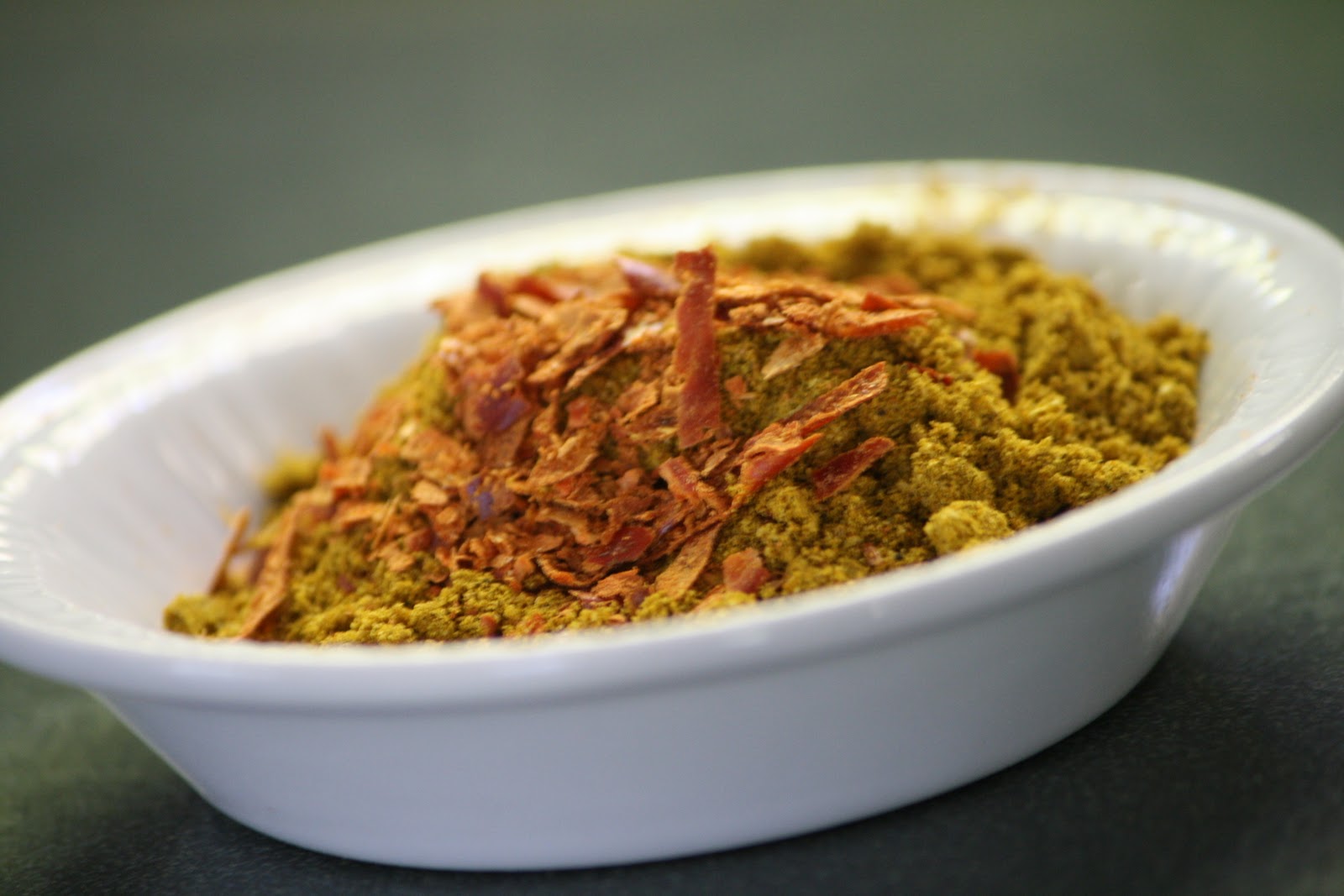
Curry - with crushed, dried red pepper added (I didn't have Madras curry)

Onions, sliced thin and crushed garlic

Rice Vermicelli noodles, soaked in boiling water for 5 minutes

Dry vermicelli noodles on a clean tea towel while heating the wok

 Stir-fry shrimp and beef first, then remove and set aside

Stir-fry mushrooms, onions and curry

Add vegetables, noodles and soy sauce - and that's it!


Singapore Noodles (Recipe Adapted from The Complete Stir-Fry, Edited by Helen Aitken)
(Serves 4-6)

150 grams (about 1/2 package) dried rice vermicelli
Oil for cooking
250 grams (8oz) beef, sliced super thin, across the grain
250 grams (8 oz) raw prawns, cut into small pieces
2 Tbsp. Madras curry powder (or regular curry powder with ground dried hot peppers added)
2 cloves garlic, crushed
100 grams (3-1/2 oz) shittake mushrooms, thinly, sliced
1 onion, thinly sliced
100 grams (3-1/2 oz) green beans, thinly sliced on the diagonal
1 Tbs. soy sauce
4 spring onions, thinly sliced on the diagonal

  1. Place the vermicelli in a large bowl, cover with boiling water and soak for 5 minutes. Drain well and spread out on a clean tea towel to dry.
  2. Heat the wok until very hot, add 1 tablespoon of the oil and swirl it around to coat the side.
  3. Stir fry the beef and the prawn pieces in batches over high heat. Remove from the wok and set aside.
  4. Reheat the wok, add 2 tbsp. of the oil and stir fry the curry powder and garlic for 1-2 minutes, or until fragrant. Add the mushrooms and onion and stir fry over medium heat for 2-3 minutes, or until the onion and mushrooms are soft.
  5. Return the beef and prawn to the work, add the beans and 2 tsp. water, and toss to combine. Add the drained noodles, soy sauce and spring onion. Toss well and serve.
Final Assessment: As I said before, I don't know why I don't stir-fry more often, especially when this meal was so easy and required very little prep. I didn't have Madras curry, so I used a mortar and pestle to grind some very hot dried red chillies, which I added into the curry. It gave the noodles just the right amount of heat. This might be the first time I used curry in a stir-fry, but it was excellent. I used shrimp and beef, but the recipe could easily omit meat or seafood altogether and add more vegetables. A great one pot  wok meal that my kids gobbled up with chopsticks.


© 2010-2011, What's Cooking in Your World? Sarah Commerford/All Rights Reserved

More Observations on the Hunger Challenge

Food Bank pantry
Yesterday's post was the most pitiful thing I think I've ever written. I tried a new recipe, Queso Panela Kebabs, and it was a failure. The cheese melted into a sad pile of goo. Failure happens but it's all the more discouraging when you're on a budget. It's not like you can run out and buy more ingredients. Also, you can probably tell, my heart just wasn't in it. I was feeling uninspired and that always comes across when I'm cooking (and writing). So I made a dull meal lacking any real creativity. It makes me embarrassed to read that post. But my embarrassment is nothing compared to the feelings that someone really living on a limited budget would experience.

There has been some criticism of the Hunger Challenge specifically from people who have experienced real hardship, some of whom have been on public assistance. I can completely understand why they would not want to participate and would feel uneasy with the Hunger Challenge. If I experienced real hunger I would not want to relive it or even be reminded of it. The Hunger Challenge is about the experience of living on a very limited budget. It is NOT an attempt to fully experience what someone actually living on a food stamps budget experiences, because that would be impossible.

In the future I hope the Hunger Challenge will make room at the table for those in our midst who have experienced hunger. I'd like to see a space for those who are willing to share their stories, like KitchenMage. Painful as it may be, those stories are more powerful than anything we who are taking the Hunger Challenge could ever share. Like the Hunger Challengers they raise awareness about hunger and also inspire readers to make donations. And really, no matter what we do, that's what it's all about.

Ways you can help

♥ Read blogs by people taking the Hunger Challenge. There's a blogroll here.

♥ Follow the Hunger Challengers on Twitter. There's a listing here, or search for the hashtag #HungerChallenge.

♥ Learn more about the San Francisco Food Bank - and make a donation. For every $1 donated the food bank can supply hungry people with $6 worth of food!

♥ Follow the San Francisco Food Bank on Twitter or visit their Facebook page to see how they're fighting hunger every day.